How many days should you set aside if you’re traveling for eye surgery?
Dr. Guillermo Enríquez TostadoNovember 24, 20269 min read

In this article
There is no universal number of days to travel to another city for eye surgery. The time needed depends on the procedure, preoperative tests, the ophthalmologist’s assessment, initial recovery, and the follow-up plan of follow-up visits. Rather than booking a minimum stay based on packages, ask the medical team for an individualized itinerary that includes the consultation, tests, surgery, first follow-up visit, possible additional checkups, and a clear plan for getting care if a complication arises.
Why isn’t it advisable to set the same length of stay for every surgery?
“Eye surgery” can refer to very different procedures, such as cataract surgery, LASIK, PRK, or other refractive or intraocular surgeries. Each has different evaluation, recovery, and follow-up requirements.
Before scheduling a trip, the medical team may need to confirm the diagnosis, check the health of the ocular surface, measure the cornea, assess the refractive error, and rule out conditions that could increase the risk. For refractive surgery, the American Academy of Ophthalmology lists visual acuity, refraction, corneal topography or tomography, corneal thickness, and tear film evaluation among the initial assessments.
For this reason, travel may require an initial consultation before deciding on a surgery date. In some cases, tests are done the same day; in others, the doctor may need to repeat measurements or wait for the cornea to stabilize, especially if the person wears contact lenses or has an eye condition that needs to be treated first.
Factors to include in your itinerary
When requesting information from the medical team, it’s a good idea to ask for a written plan that clarifies at least the following points:
- •Consultation and tests: which tests will be performed, how long they will take, and whether you need to stop wearing contact lenses before your appointment.
- •Surgical decision: whether surgery is confirmed at the initial assessment or may be postponed to evaluate the results further.
- •Transportation on the day of the procedure: whether you need someone to accompany you and whether you’ll be able to drive afterward. The Food and Drug Administration (FDA) states that after LASIK, you should arrange transportation to and from the surgery and your first follow-up visit.
- •First follow-up visit: when it will take place and whether it must be in person with the surgeon.
- •Later follow-up visits: which ones will take place during your stay and which can be done with an ophthalmologist or optometrist in your hometown, if the surgeon considers that appropriate.
- •Plan for unexpected symptoms: whom to contact, where to go, and how an urgent evaluation would be arranged.
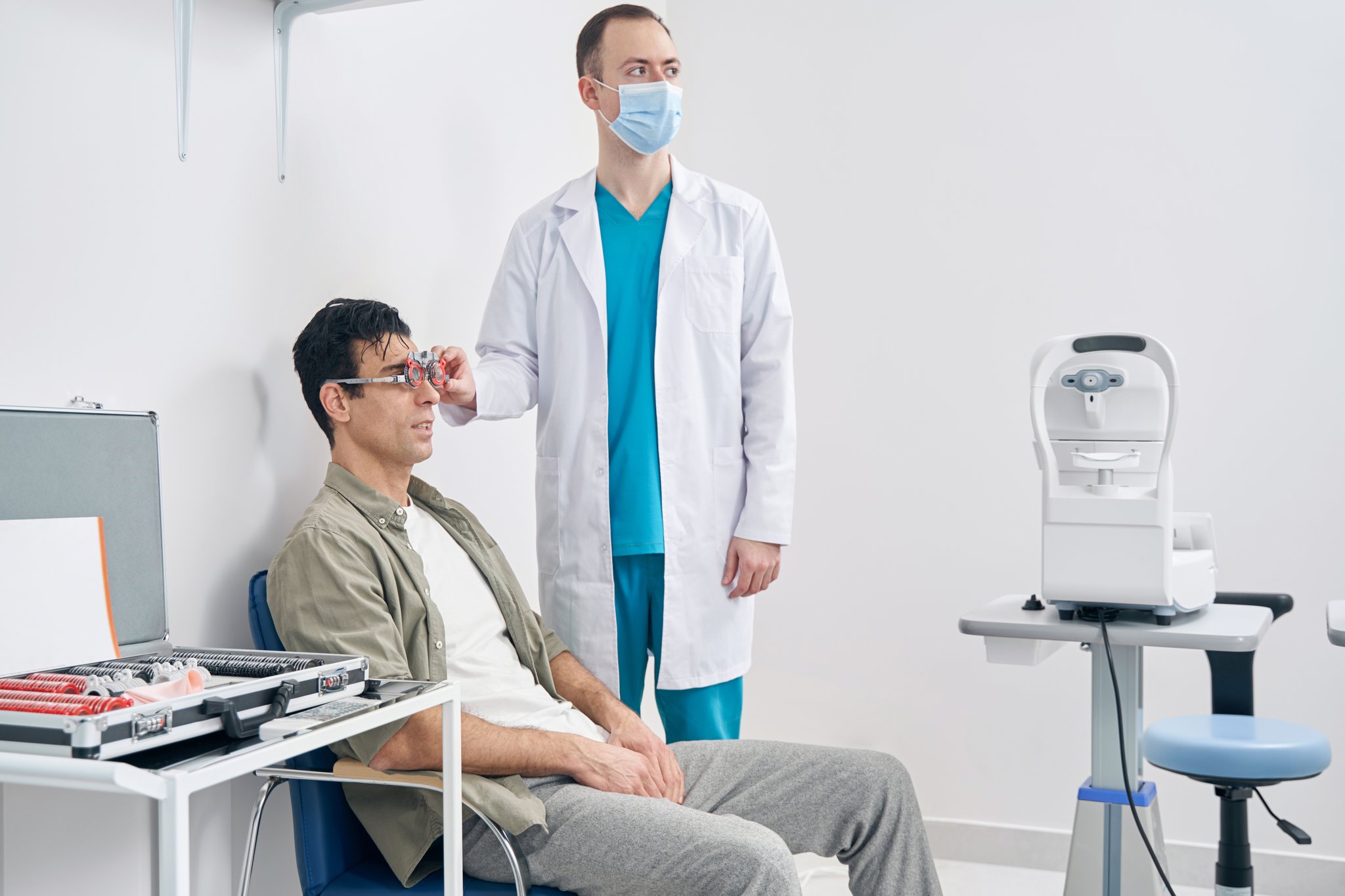
The itinerary should also account for nonmedical timing: travel between the airport, hotel, and clinic; possible delays; the need to rest; and whether someone is available to accompany you.
General guidance by procedure type
The following comparison is for general guidance only. It does not replace the schedule recommended for each patient.
- •Cataract surgery: What may affect the length of stay: Consultation, measurements, surgery, initial follow-up visit, and follow-up plan. Why the timing should be individualized: The National Eye Institute says that eye drops, eye protection, and avoiding certain activities may be required for several weeks. Most people recover fully in about eight weeks, although initial improvement may occur sooner.
- •LASIK: What may affect the length of stay: Candidacy evaluation, surgery, transportation, and an early follow-up visit. Why the timing should be individualized: The American Academy of Ophthalmology recommends examining uncomplicated LASIK cases within the first 36 hours, with another follow-up visit one to four weeks later, as well as subsequent checkups as appropriate.
- •PRK or other surface ablation techniques: What may affect the length of stay: Greater need for close follow-up and the progress of corneal surface healing. Why the timing should be individualized: The same American Academy of Ophthalmology guidance notes that, with surface techniques, a next-day follow-up visit and checkups every few days may be advisable until the epithelium heals.
For LASIK, the National Eye Institute explains that it may take two to three months for the eye to finish healing and that follow-up visits are needed. This does not mean that everyone must stay in the city where they had surgery for that entire time; it means that recovery and follow-up continue after the initial trip.
Can you return home soon?
Whether you can return depends on the surgery, the initial follow-up visit, and how far away you live or how easily you can return for care. For some procedures, it may be reasonable to travel after an early follow-up visit if the eye is healing as expected and there is a follow-up plan. For others, the surgeon may recommend staying longer to monitor healing.
Recommendations about flying are not identical, either. Some hospital materials indicate that flying may be possible a few days after cataract surgery, while others recommend waiting until the first follow-up visit or staying close to medical care. For example, a guide from University Hospitals Coventry and Warwickshire says that flying may be safe a few days afterward, but considers it preferable to wait until the first follow-up visit before traveling abroad. This shows why a fixed number should not be used without knowing the case and procedure.
Before buying nonrefundable flights, ask:
- •When should the first follow-up visit take place?
- •Does the follow-up exam need to be with the surgeon who performed the surgery?
- •What changes would require postponing the return trip?
- •What happens if I need an additional consultation?
- •Who would handle an emergency after hours?
- •Can I continue follow-up care in my city, and what documents will the other doctor need?
Warning signs during travel or after surgery
Significant symptoms should be treated as a reason to contact the medical team right away, not as a problem that should wait until the return flight. After cataract surgery, the National Eye Institute recommends calling the ophthalmologist for vision loss, persistent severe pain, significant redness, flashes of light, or a major increase in floaters.
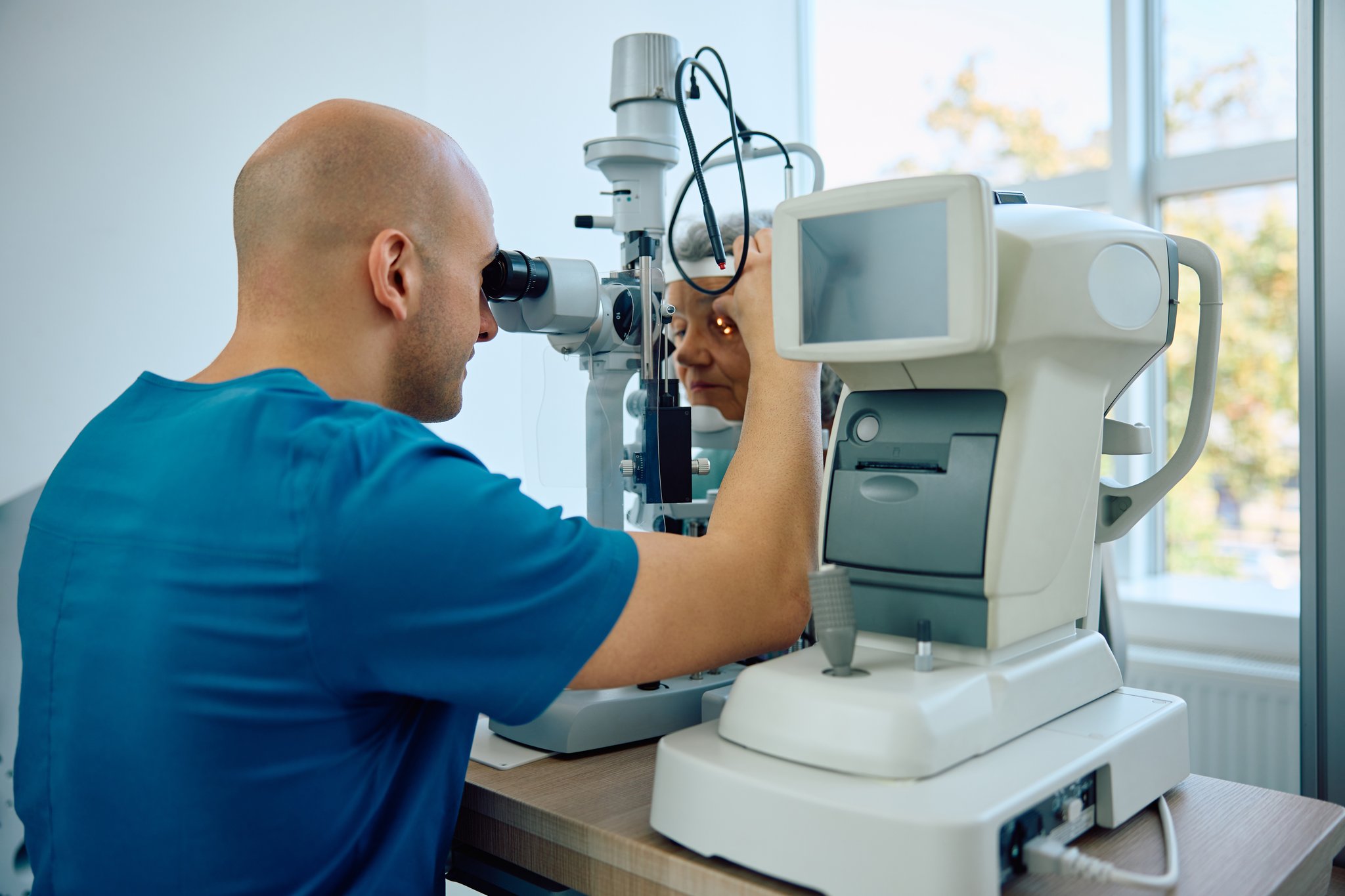
After LASIK, the FDA advises contacting the doctor immediately if severe pain occurs or if vision or other symptoms get worse instead of improving. The trip should not automatically continue if these signs are present; first, clinical guidance is needed and, if appropriate, an in-person assessment.
How to request an individual itinerary
A helpful request to the medical team could be:
“I’m traveling from another city. Could you tell me which days I need to set aside for the assessment, tests, surgery, and first follow-up visit? What follow-up appointments will be needed, which ones could take place in my city, and what is the plan if a complication occurs before I return?”
It is also a good idea to confirm whether you need someone to accompany you, which medical records to bring, what restrictions could affect your return trip, and whether the schedule changes when both eyes are operated on. The answer should be based on an individual examination, not solely on a promotional stay or a predetermined package.
Frequently asked questions
How many days should I set aside at a minimum?
There is no universal minimum for every surgery or patient. As a starting point, ask how much time is needed for the consultation, tests, procedure, and first follow-up visit. The medical team should confirm whether it would be advisable to allow extra days as a buffer.
Can I travel alone for eye surgery?
You may need someone to accompany you, especially on the day of surgery, because your vision may be blurry and some medications may prevent you from driving. The specific need depends on the procedure and the doctor's instructions.
Can I go sightseeing after surgery?
Do not assume that surgery means you can immediately resume all tourist activities. Restrictions may include avoiding rubbing your eyes, swimming, strenuous exercise, or exposure to impacts and contaminants. The medical team should advise which activities are appropriate based on how your recovery is progressing.
What to bring to your consultation
The best answer to “how many days to travel for eye surgery” is not a fixed number, but an individualized clinical itinerary. Allow time for tests, surgery, the initial follow-up visit, possible schedule changes, and care for unexpected symptoms. Before buying plane tickets or booking accommodations, request your procedure schedule in writing and confirm what follow-up care will continue in your city.
If you’re considering an ophthalmology consultation, you can request information and ask the appropriate team these questions through the office’s WhatsApp. The decision about surgery, when to travel, and how long to stay should be made based on an individual medical assessment.
References
- •
- •
- •
- •
- •
This content is for informational purposes and does not replace a medical consultation or constitute a diagnosis.
This information is for guidance only and does not replace a medical consultation, diagnosis, or treatment. Each case is assessed in person.


