What Determines the Cost of Refractive Surgery
Dr. Guillermo Enríquez TostadoNovember 20, 20269 min read

In this article
The cost of refractive surgery does not depend solely on the name of the technique. It can vary based on the type of procedure, the characteristics of the refractive error, the tests needed, the technology used, the number of eyes treated, and the follow-up included. That is why a responsible quote should be prepared after a complete eye exam, not based only on a promotion or a general figure.
What does the estimate usually include?
When someone asks about the cost of refractive surgery and the factors that affect it, it is a good idea to review exactly what the quote covers. A clinic’s advertised price may include some services and exclude others, so it is important to ask for an itemized breakdown in writing.
Among the components that may be part of the estimate are:
- •Preoperative assessment: includes a review of the eyeglass prescription, the health of the ocular surface, intraocular pressure, and other conditions that may affect the safety of the procedure.
- •Corneal tests: may include corneal topography or tomography, corneal thickness measurement, and other tests that help determine whether the cornea can undergo laser surgery. The American Academy of Ophthalmology, through EyeWiki, describes these tests as part of the preoperative evaluation.
- •Medical and surgical team fees: may vary depending on the complexity of the case, the technique selected, and the care required.
- •Use of the laser or surgical equipment: the procedure may use different platforms and treatment modalities. The U.S. Food and Drug Administration (FDA) notes that features and outcomes may vary among devices, procedures, and surgeons.
- •Medications and materials: may include drops, protective shields, or therapeutic contact lenses for surface procedures, although their inclusion should be confirmed in each quote.
- •Postoperative follow-up visits: it’s necessary to ask how many visits are included, over what period, and what happens if an additional follow-up visit is needed.
The evaluation is not a minor formality. The U.S. National Eye Institute explains that a comprehensive eye exam is needed to assess whether LASIK or another type of refractive surgery is appropriate for a person.
The technique can affect the cost
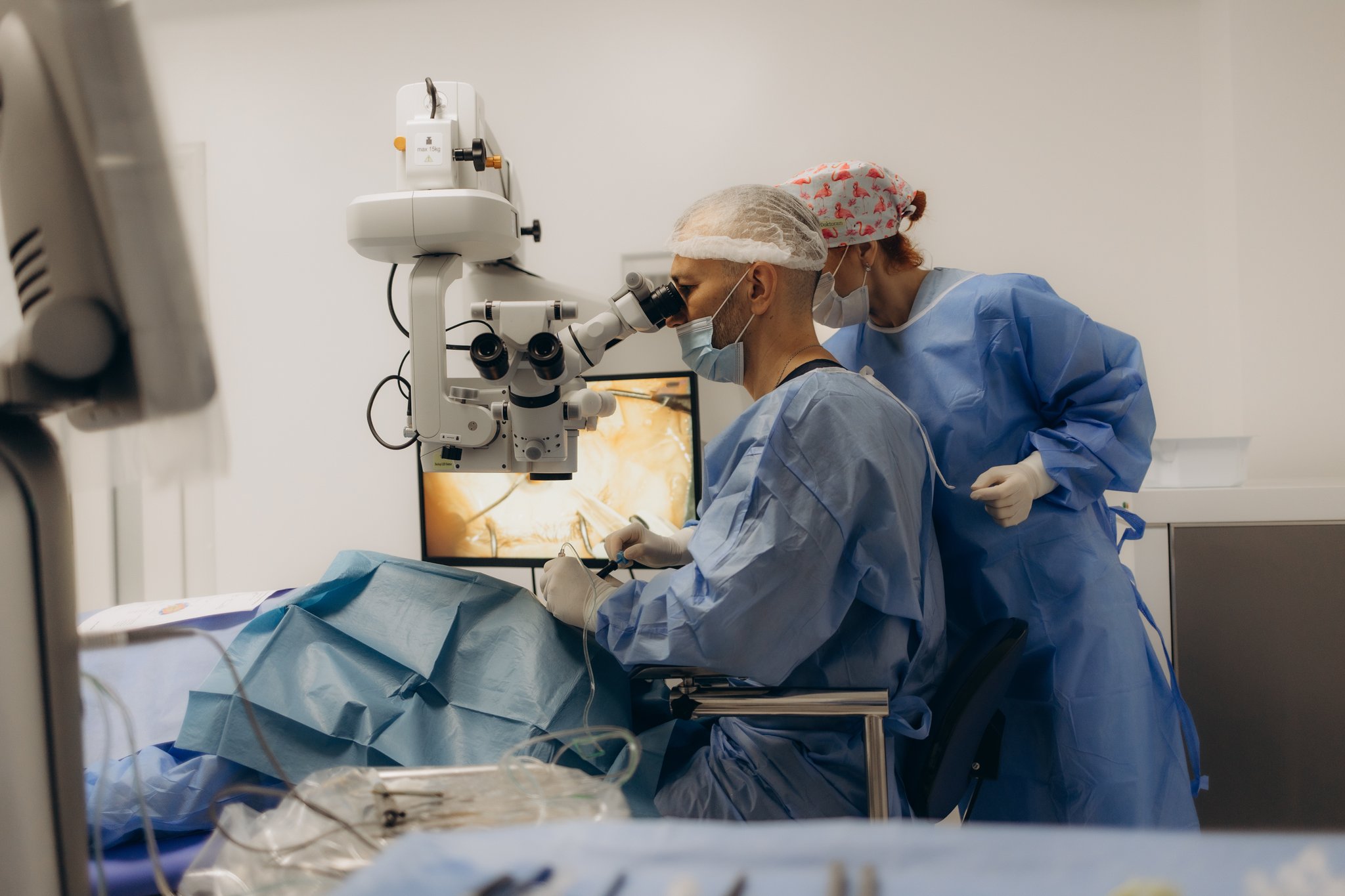
There is no single type of refractive surgery. Options include LASIK, PRK, and other procedures, such as certain lenticule extraction techniques or intraocular lens implants in selected cases. Each uses different instruments and has different recovery times and follow-up visits.
- •LASIK: What may affect the estimate: Type of laser, method used to create the corneal flap, preoperative tests, and follow-up. Questions to ask: What technology will be used? Are the assessment and follow-up visits included?
- •PRK or other surface procedures: What may affect the estimate: Protective materials, healing checkups, and management of the recovery period. Questions to ask: What care and follow-up visits are included in the estimate?
- •Intraocular lens procedures: What may affect the estimate: Type of lens, biometry tests, surgery, and specific follow-up. Questions to ask: Which lens is being recommended, and why? What risks and alternatives are there?
The comparison above is for general information and cannot determine which technique is appropriate for a specific person. The National Eye Institute lists LASIK, PRK, LASEK, EpiLASIK, and phakic intraocular lens implants as alternatives that may be considered depending on the case.
The most expensive technique is not necessarily the best for everyone. The FDA recommends not basing the decision solely on price, because risks and benefits can vary among procedures, devices, and surgeons. It also warns about promises of guaranteed results or so-called “packages” that make it difficult to compare what is actually being purchased.
Your refractive error and the characteristics of your eye also matter
The degree and type of refractive error may affect planning. Nearsightedness, farsightedness, and astigmatism are assessed differently, and a stable prescription is not the same as one that has changed recently.
During the assessment, factors such as these may be reviewed:
- •Type and amount of nearsightedness, farsightedness, or astigmatism.
- •Prescription stability.
- •Corneal thickness, shape, and regularity.
- •Tear film condition and presence of dry eye.
- •Pupil size, especially in low-light conditions.
- •History of eye surgeries or eye diseases.
- •Age and visual expectations, including the possibility of presbyopia.
The FDA material on when LASIK may not be appropriate mentions, among other factors, refractive instability, thin corneas, dry eye, certain diseases, a history of refractive surgery, and participation in contact sports.
An irregular cornea or signs of keratoconus may mean that laser surgery is not recommended. In its review of preoperative evaluation, EyeWiki notes that abnormal corneal topography or tomography is an important risk factor for ectasia after LASIK when it indicates ectatic disease.
Differences to review before comparing quotes
Two estimates may have different amounts and still not be comparable. Before choosing, it is worth checking whether both include the same things:
- 1.Is the price for one eye or both?
- 2.Does it include a complete preoperative assessment?
- 3.Does it include topography, tomography, and corneal thickness measurement when indicated?
- 4.Which technique and equipment will be used?
- 5.How many follow-up visits are included?
- 6.Are medications and materials included in the total?
- 7.What happens if the person is not a candidate after the tests?
- 8.Would any additional surgery have a separate cost?
The question should not be only “How much does it cost?” but also “What does it include, and what is not included?” According to the Mayo Clinic information on LASIK surgery, most insurance plans consider this procedure elective and do not cover its cost; even so, coverage depends on each policy and should be confirmed directly with the insurer.
Cost should be weighed alongside limitations and risks
A low-cost quote does not, by itself, make up for an incomplete evaluation. All refractive surgery has potential benefits, limitations, and risks. Dry eye, blurred vision, halos, glare, light sensitivity, undercorrection, or overcorrection may occur. Less common complications can also occur, such as infection, problems related to the LASIK flap, or corneal ectasia.
Mayo Clinic notes that some side effects may improve over weeks or months, but also warns that certain complications can persist. The FDA indicates that even after careful screening, significant vision problems may occur and that there are no medical guarantees of a specific outcome.
In addition, correcting distance vision does not necessarily prevent the future need for reading glasses. Presbyopia usually develops with age and may require glasses even if surgery has corrected nearsightedness, farsightedness, or astigmatism. Therefore, the decision should take into account the person’s activities, expectations, and tolerance for possible visual effects—not just the estimate.
Frequently Asked Questions
Is there a standard price for refractive surgery?
There is no single price that applies to every case. The cost depends on the technique, tests, equipment, case complexity, number of eyes treated, and services included. An individualized quote requires an ophthalmologic assessment.
Is a newer technique always better?
Not necessarily. The technique should be selected based on the cornea, refractive error, ocular surface, age, activities, and expectations. The FDA recommends comparing the risks, benefits, and characteristics of the procedure, rather than deciding solely on the basis of advertising or price.
What should I bring or ask about during a consultation to get a clear quote?
It may be helpful to bring recent prescriptions, information about contact lenses, and your eye health history. Ask what tests will be performed, which technique is being proposed, whether the quote is for one or both eyes, what follow-up care is included, and what costs are not included. The assessment should also confirm whether surgery is a safe and reasonable option for you.
What to Bring to Your Consultation
The cost of refractive surgery depends on several clinical and operational factors. Comparing prices alone can be misleading if the quotes do not include the same tests, technique, materials, and follow-up care. An informed decision starts with a comprehensive assessment, an explanation of the alternatives, and a detailed quote that does not promise guaranteed results.
If you are considering refractive surgery, you can request an assessment to discuss your vision goals, medical history, and available options: request an ophthalmology appointment.
References
- •
- •
- •
- •
- •
- •
This content is for informational purposes and does not replace a medical consultation or constitute a diagnosis.
This information is for guidance only and does not replace a medical consultation, diagnosis, or treatment. Each case is assessed in person.


