Remote Consultation Before Traveling: Scope and Limitations
Dr. Guillermo Enríquez TostadoNovember 18, 20269 min read

In this article
A remote consultation before traveling can help organize your medical history, review available test results, explain ophthalmic care options in general terms, and plan which evaluations may be needed during an in-person visit. However, it does not necessarily replace an in-person examination or constitute approval for surgery. Whether eye surgery is recommended depends on your medical history, an eye examination, and often measurements or tests that cannot be confirmed during a video call.
What Can a Remote Consultation Before Traveling Help With?
When someone lives outside Guadalajara or needs to plan a trip to receive eye care, a remote consultation can be an initial opportunity for guidance. Its usefulness depends on the eye problem, the quality of the available information, and whether the professional can determine if a remote visit is appropriate for that case.
In general, a conversation can help with:
- •Review the reason for the consultation, symptoms, previous diagnoses, and any prior eye surgeries.
- •Discuss which medications, general health conditions, and family history may be relevant.
- •Review reports, photographs, or previously completed tests, provided they are legible and clinically useful.
- •Explain what type of in-person assessment might be needed and what questions would be useful to prepare.
- •Provide guidance on travel logistics, for example, whether more than one visit or follow-up afterward might be needed.
The American Academy of Ophthalmology recognizes that telemedicine can expand access to eye care, but also notes that its appropriateness should be assessed based on each person's situation and the available technology. In Mexico, the Dirección de Salud Digital de la Secretaría de Salud recommends that first-time patients undergo preliminary screening or, when appropriate, be referred for an in-person consultation.
Therefore, a remote consultation can help plan the next step, but should not be presented as confirmation that someone is a candidate for surgery.
What Information to Gather Before the Consultation
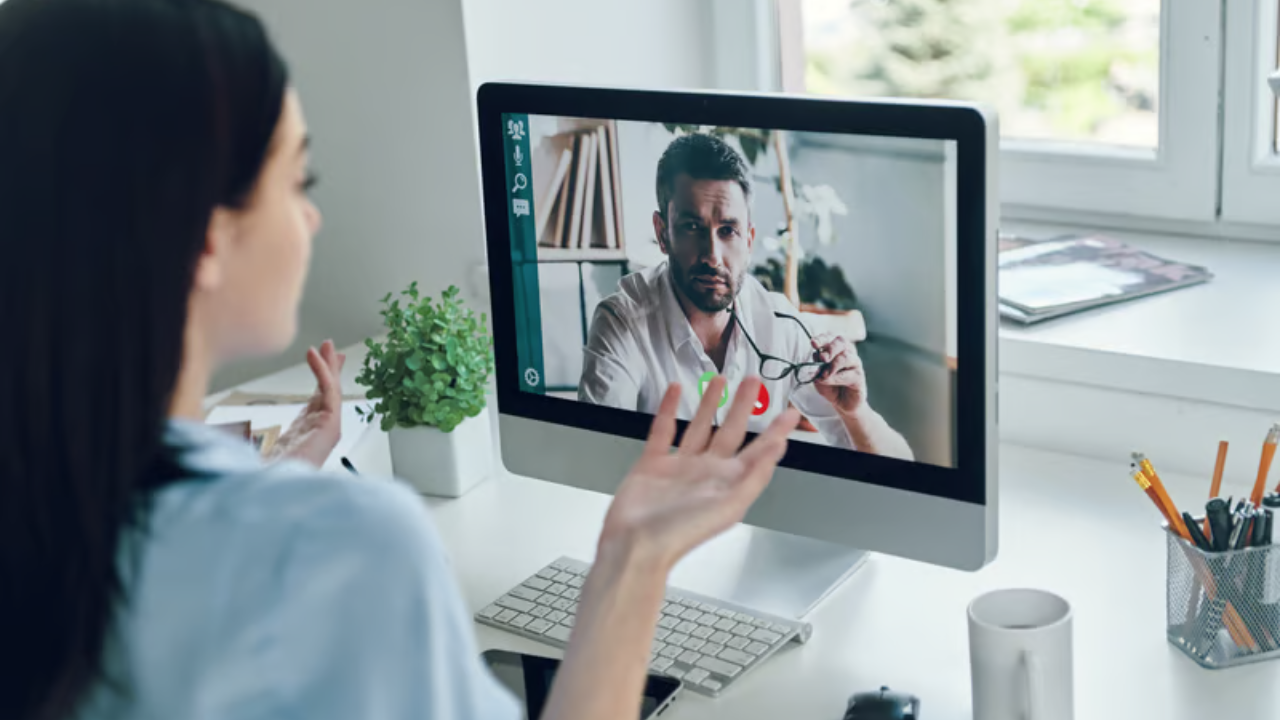
The consultation may be more useful if the person has information about their eye health on hand. A complete medical record is not necessary to get started, but it is helpful to gather whatever is available:
- •The main reason for the consultation and when it began.
- •Known diagnoses, such as cataracts, glaucoma, retinal problems, dry eye, or refractive errors.
- •A recent eyeglass prescription and any changes in vision.
- •A history of eye surgery, injuries, infections, or contact lens use.
- •General medical conditions, allergies, and current medications.
- •Previous tests, such as photographs, corneal topography, optical coherence tomography scans, visual field tests, or eye pressure measurements.
- •Specific expectations: improving distance vision, reading with less dependence on glasses, treating a cataract, or getting a second opinion.
Submitted test results can provide background information, but their usefulness depends on when they were performed, the quality of the images, and whether they address the current clinical question. For example, a photograph taken with a cell phone is not automatically equivalent to an examination using the instruments in an ophthalmology office.
What Usually Requires an In-Person Assessment
Before recommending eye surgery, the specialist must determine whether there is a condition that explains the symptoms, whether surgery may offer a reasonable benefit, and whether any factors could increase risks or change the plan. This may require a vision test, an examination of the front and back of the eye, an intraocular pressure measurement, a corneal evaluation, and other tests.
In an assessment for cataracts, for example, the EyeWiki summary from the American Academy of Ophthalmology describes the importance of assessing visual acuity and the condition of the cornea, natural lens, optic nerve, and retina. Measurements of the eye's size, corneal curvature, and anterior chamber depth may also be needed to calculate the intraocular lens.
The National Eye Institute explains that before cataract surgery, tests are usually performed to measure the eye's size and shape and select the artificial lens. These measurements cannot be confirmed solely through a remote interview.
Corneal refractive procedures, such as LASIK, may also require specific tests as part of the assessment. Recommendations from the American Academy of Ophthalmology include, among other things, visual acuity with and without correction, corneal topography or tomography, corneal thickness measurement, and evaluation of the ocular surface. Therefore, a video call can help guide the process but does not replace these tests when they are needed.
Scope and Limitations: A Practical Comparison
- •Reason for the consultation, symptoms, and how they have changed over time.: Generally requires in-person confirmation: Visual acuity measured using standardized methods.
- •Medical, eye, and surgical history.: Generally requires in-person confirmation: Intraocular pressure, slit-lamp examination, and examination of the back of the eye.
- •Initial review of previous reports and test results.: Generally requires in-person confirmation: Biometry, corneal topography, pachymetry, or other preoperative tests.
- •Questions about alternatives, risks, and follow-up.: Generally requires in-person confirmation: Confirmation of the diagnosis, surgical indication, and individual plan.
- •General planning for the trip and possible consultations.: Generally requires in-person confirmation: Informed consent based on a complete clinical evaluation.
The comparison above is a general guide, not a fixed list for every surgery. The need for each test varies depending on the diagnosis, the technique being considered, age, medical history, and examination findings.
Why this is not the same as surgical clearance
A remote consultation should not be confused with authorization to perform surgery. The professional may determine that an in-person assessment is needed, request additional tests, recommend another option, or conclude that there is not yet enough information to make a decision.
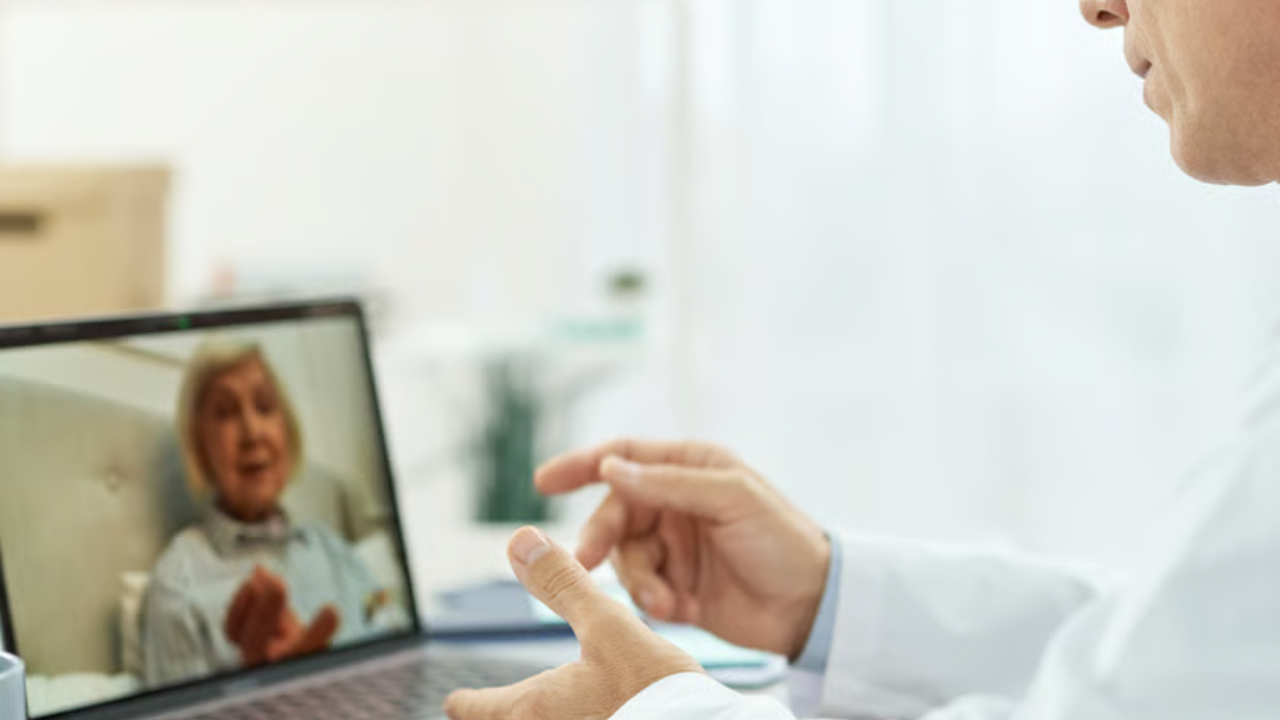
The American Medical Association notes that when a physical examination is not performed in person, the physician should recognize the limitations of the technology and have the information needed to make well-founded recommendations. This precaution is especially important before a surgical procedure because the decision depends on the diagnosis as well as eye anatomy, expectations, alternatives, and individual risks.
It is also reasonable to ask before traveling:
- •Is the remote consultation for initial guidance, a second opinion, or a complete medical consultation?
- •What information should be sent, and by what means?
- •Which tests will need to be repeated or performed in person?
- •How many visits might be needed before and after surgery?
- •What happens if a different condition is found during the in-person assessment?
- •How would an emergency or complication after the procedure be handled?
Actual availability of a remote consultation should be confirmed directly with the relevant service. The existence of a website or contact form does not mean that the service is available for every diagnosis, state in Mexico, or clinical situation.
Frequently asked questions
Can I decide to have surgery based only on a video call?
Generally, you should not assume so. A video call can help with guidance and planning, but a surgical decision usually requires an in-person examination and specific tests. The exact scope depends on the procedure and the clinical information available.
Can I send my test results before traveling?
It may be helpful to send previous reports and images so the team can learn about your history, but they should be reviewed with caution. An old or incomplete test, or one performed for a different purpose, may not be sufficient for planning surgery.
What happens if warning symptoms come up during the remote consultation?
If there is sudden vision loss, severe eye pain, significant trauma, a very red eye with reduced vision, new flashes, many floaters, or a shadow in the visual field, it is not advisable to wait for a scheduled trip. The person should seek urgent eye care where they are. These symptoms should not be addressed solely through messages or video calls.
plan better without replacing an assessment
A remote consultation before traveling can help organize your medical history, review available test results, clarify questions, and understand what type of evaluation might be needed. Its main benefit is making planning easier; its limitation is that it may not allow a direct examination of the eye structures or the essential measurements needed to decide on surgery.
The best way to prepare is to consider the remote consultation a guidance step and confirm which parts of the process will need to take place in person. The final assessment should take into account the diagnosis, alternatives, expected benefits, limitations, risks, and follow-up required for each person.
If you would like to ask whether remote guidance is available and what documents might be useful, you can visit the assessment contact channel. Confirm availability, format, and scope directly before making travel arrangements.
References
- •
- •
- •
- •
- •
- •
This content is for informational purposes and does not replace a medical consultation or constitute a diagnosis.
This information is for guidance only and does not replace a medical consultation, diagnosis, or treatment. Each case is assessed in person.


