The day of your refractive surgery: how to prepare logistically
Dr. Guillermo Enríquez TostadoNovember 26, 20269 min read

In this article
The day of your refractive surgery is a good time to plan ahead for getting to the center, bringing the required documents, arranging for someone to accompany you, and getting home. Instructions may vary depending on the technique—for example, LASIK, PRK, SMILE, or another option—as well as the type of anesthesia and each clinic’s protocol. This guide therefore offers general logistical advice but does not replace the specific instructions from the team performing your procedure.
Before leaving home: confirm the center’s instructions
The first step is to review the information you were given and resolve any questions before the day of surgery. The FDA notes that what happens before, during, and after LASIK can vary among doctors and patients. It also recommends that people understand the benefits, risks, alternatives, and responsibilities related to the procedure before signing the consent form.
Confirm directly with the center:
- •The exact address, entrance, and check-in location.
- •The time you should arrive; do not assume it is the same as the scheduled procedure start time.
- •Whether you should eat normally, have a light meal, or follow any food and drink restrictions.
- •Which regular medications you should take or avoid. Do not stop taking any medications on your own.
- •If you need to bring any previously requested tests, prescriptions, consent forms, or documents.
- •What the follow-up visit will involve and when it should take place.
Fasting instructions should not be generalized. They may depend on the type of anesthesia or sedation, although many laser refractive surgeries are performed with topical anesthesia. The center should tell you exactly what to do in your case.
What to bring: documents and useful items
Required documents depend on the center, but it is a good idea to prepare a government-issued ID, any forms you were asked to complete, and an up-to-date list of the medications, vitamins, and supplements you take. It may also be useful to bring your glasses in a case, although you may not need them during the procedure.
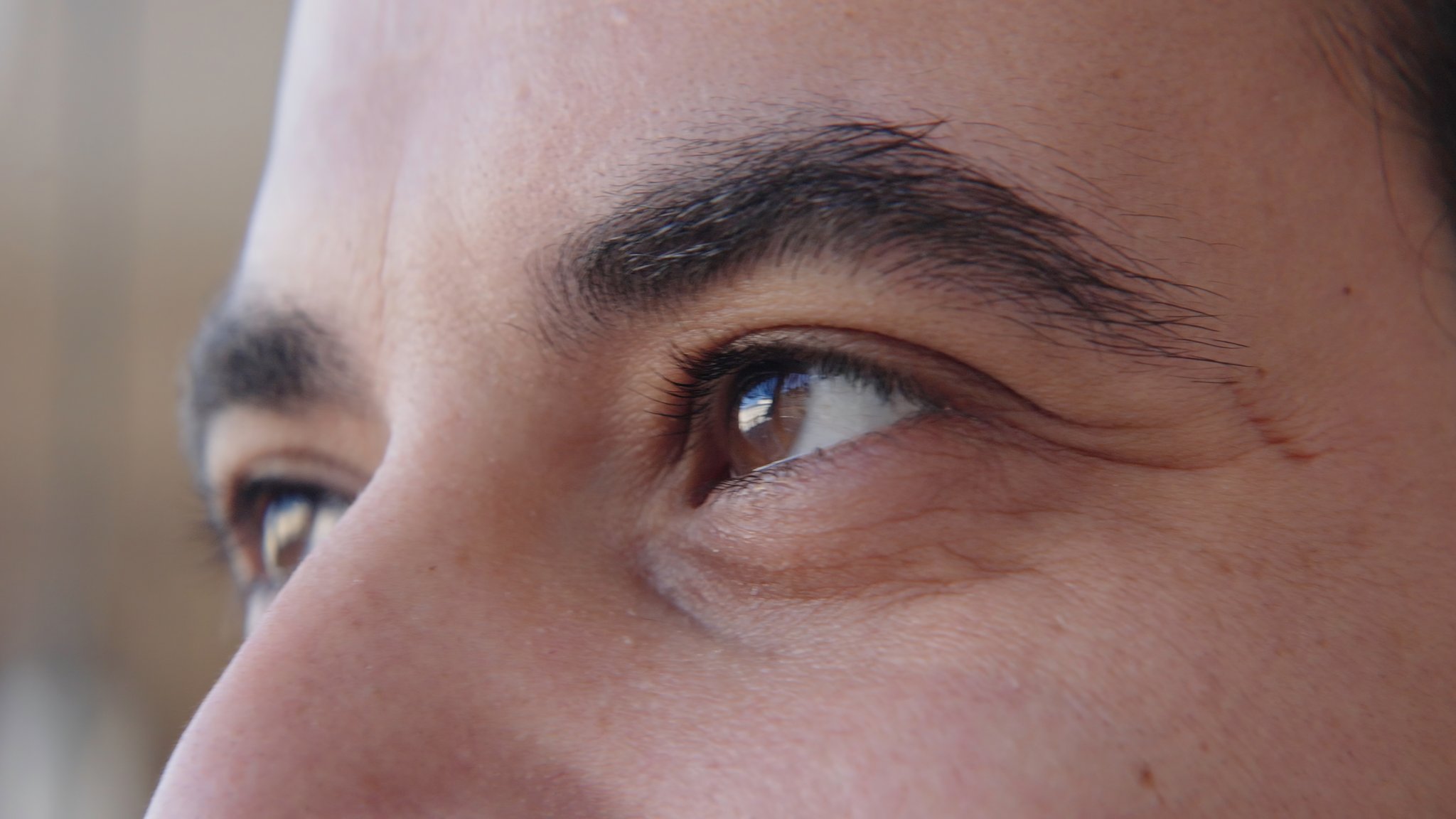
Johns Hopkins Medicine’s general surgical preparation recommendations Johns Hopkins Medicine include bringing identification, forms, insurance information when applicable, and a medication list. For outpatient refractive surgery, the center may require fewer documents; use its list as a reference, not as a substitute for its instructions.
Wear comfortable, loose-fitting clothing. Avoid bringing jewelry, valuables, or large amounts of cash. A Johns Hopkins guide to preparing for outpatient surgery recommends leaving valuables at home and bringing cases for glasses, hearing aids, or prostheses if you use them.
For your belongings, ask ahead of time:
- •Whether there is a secure place to store your backpack, purse, phone, or accessories.
- •Whether you can keep your glasses and phone with you while you wait.
- •Whether your companion can look after your personal belongings.
The simplest option is usually to arrive with only what you need and leave anything unnecessary at home. Don’t bring items that could get in the way during check-in or that you would be concerned about losing.
Hygiene, makeup, and comfort
The FDA recommends stopping the use of creams, lotions, makeup, and perfumes before surgery, since residue around the eyelashes may increase the risk of contamination. The exact timing may vary: some instructions say the day before, while others specify a different period. Follow the timeframe provided by your center.
On the day of the procedure, it is usually practical to:
- •Arrive with a clean face and no makeup around your eyes.
- •Avoid perfumes, sprays, creams, or products that may shed particles.
- •Wear comfortable clothes and stable shoes.
- •Do not wear contact lenses if the team has instructed you to remove them beforehand.
Stopping contact lenses before your assessment or surgery may be necessary because they temporarily change the shape of the cornea. The timeframe depends on the type of lens and the measurements taken. Do not resume wearing them or change the specified timeframe without consulting the team.
Companion and transportation: plan your trip home
Arrange for a responsible adult to accompany you or, at a minimum, take you home. The FDA explains that some patients are given medication to help them relax and that their vision may be blurry after the procedure; for these reasons, you should not plan to drive home.
The National Eye Institute also notes that immediately after LASIK, you may have irritation and blurry vision, so someone should take you home. Information from the NHS states that many laser surgeries allow patients to go home the same day, but you should not drive that day, and your medical team should determine when you can drive again.
Do not assume that just any form of transportation will be sufficient. Ask whether the center accepts a taxi or rideshare when the patient is accompanied by an adult. Some centers require a designated companion or a responsible person who remains available. If you plan to use public transportation, ask in advance: blurry vision, light sensitivity, or the effects of medication may make the trip less comfortable or safe.
It is also a good idea to plan for:
- •A route with a short travel time and no need to run errands or take care of paperwork afterward.
- •Who will help you get home if you leave with your eye protected or your vision is uncomfortable.
- •The possibility that you may need to rest and attend a follow-up visit.
How long will you be at the center?
It is not advisable to promise a fixed length of stay. The total time may include check-in, verification of your information, preparation, a review by the surgeon, the procedure, discharge instructions, and, in some cases, a follow-up assessment. The time the laser is used does not necessarily equal the total time of your visit.
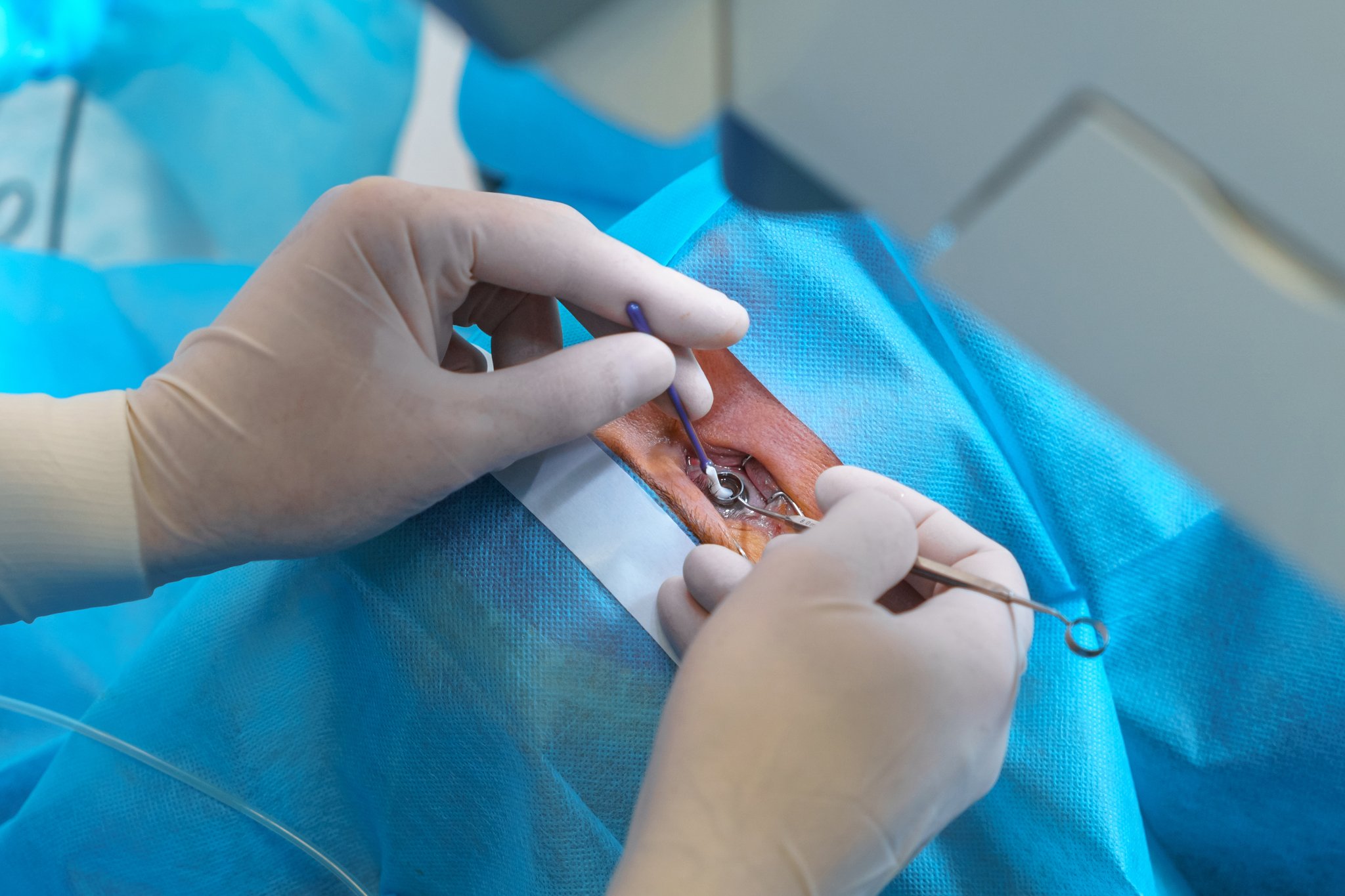
The FDA notes that LASIK surgery may take less than 30 minutes, while the NHS gives a general estimate of 20 to 30 minutes for laser surgery or lens surgery. These figures do not establish how long you will be at a specific center and do not apply in exactly the same way to every technique.
To organize your schedule, allow enough time for arrival, waiting, and transportation, and do not schedule important activities immediately afterward. Ask the center how long the visit is expected to take and whether that could change for medical or administrative reasons.
Questions worth answering before surgery
Bringing a short list can help you avoid confusion. Consider asking:
- •What documents should I bring, and which are already in my file?
- •Can I eat and take my usual medications before I arrive?
- •Do I need a companion for the entire visit or only for the trip home?
- •Can I drive the next day, or should I wait until after a follow-up visit?
- •What items can I bring, and where will they be stored?
- •What symptoms afterward require an immediate call?
- •When and where will the first follow-up appointment be?
The FDA recommends contacting your doctor immediately if you experience severe pain after LASIK or if your vision or other symptoms get worse instead of better. The specific instructions for your case should be provided in writing and should include a way to contact a clinician.
Logistics checklist for the day of your refractive surgery
- •Arrival: What to confirm: Address, access, parking, and check-in time.
- •Documents: What to confirm: Identification, requested forms, test results, and medication list.
- •Preparation: What to confirm: Food, drinks, medications, makeup, and contact lenses.
- •Companion: What to confirm: Who will accompany you or drive you, and whether they need to remain available.
- •Belongings: What to confirm: What you can bring and where personal items will be stored.
- •Departure: What to confirm: Transportation, written instructions, and follow-up date.
Frequently asked questions
Can I go to my refractive surgery alone?
It’s best not to plan to go alone without checking with the center. Even though the surgery is outpatient, your vision may be blurry, and some patients receive medications that affect their ability to drive. The safest approach is to arrange in advance for a responsible adult to take you home.
Should I bring my glasses?
You can bring them in a case unless the center has told you otherwise. Do not wear contact lenses if the care team has asked you to stop wearing them. Ask whether you will need your glasses when you arrive or for your follow-up appointment.
Can I bring my phone, purse, or backpack?
It depends on the center’s protocol. Bring only what you need and ask where your belongings will be kept. Avoid jewelry and valuables; your companion can help keep necessary items safe.
What to bring to your appointment
Preparing for the logistics of the day of your refractive surgery means confirming instructions, bringing the necessary documents, avoiding products around your eyes, arranging for someone to accompany you, and planning your ride home in advance. The technique, type of anesthesia, and center protocol can affect your experience, so no general checklist can replace the instructions from your care team.
If you are considering refractive surgery, you can request an ophthalmologic assessment to review whether any option may be appropriate for your characteristics, expectations, and daily activities. The decision should be made after learning about the alternatives, benefits, limitations, and individual risks.
References
- •
- •
- •
- •
- •
This content is for informational purposes and does not replace a medical consultation or constitute a diagnosis.
This information is for guidance only and does not replace a medical consultation, diagnosis, or treatment. Each case is assessed in person.


