When can you drive again after surgery?
Dr. Guillermo Enríquez TostadoNovember 17, 20269 min read

In this article
The answer to “When can you drive again after surgery?” does not depend solely on how many days have passed. The procedure performed, vision in each eye, any blurred vision, glare, or double vision, the effects of medications, and approval from your ophthalmologist should all be considered. Driving at night may require more caution than driving during the day, especially if halos or reflections persist.
Surgery alone does not set a date for returning to driving
After eye surgery, there is no general timeline that applies to everyone. Your ability to drive should be assessed based on the visual function you need to do so safely and in accordance with the legal requirements that apply where you live.
The National Eye Institute explains that you should not drive on the same day as cataract surgery and that you need someone to help you get home. For other procedures, such as LASIK, the FDA says that vision may fluctuate during recovery and that glare, halos, or difficulty driving at night may persist.
That is why “feeling well enough” does not always mean you are ready to drive. Clearance should take into account the follow-upexam, visual acuity, visual field when relevant, coordination between both eyes, and the absence of symptoms that interfere with driving.
What factors are assessed before you drive again?
- •Clarity of vision: blurred, fluctuating vision or difficulty focusing can make driving unsafe, even if there is no pain.
- •Vision with both eyes: if only one eye was operated on, a temporary difference between the eyes or reduced depth perception may occur. The American Academy of Ophthalmology notes that this difference can make driving difficult after cataract surgery on one eye.
- •Double vision: diplopia can affect your perception of distance and the position of other vehicles or obstacles.
- •Glare and halos: may be more noticeable at dusk or when facing headlights and bright lights.
- •Medications or sedation: some medications given during or after the procedure may affect alertness or judgment.
- •Type of surgery: recovery is not the same after cataract surgery, LASIK, PRK, vitrectomy, retinal surgery, or another procedure.
- •Instructions from your care team: your ophthalmologist’s recommendation should take precedence over a general rule found online.
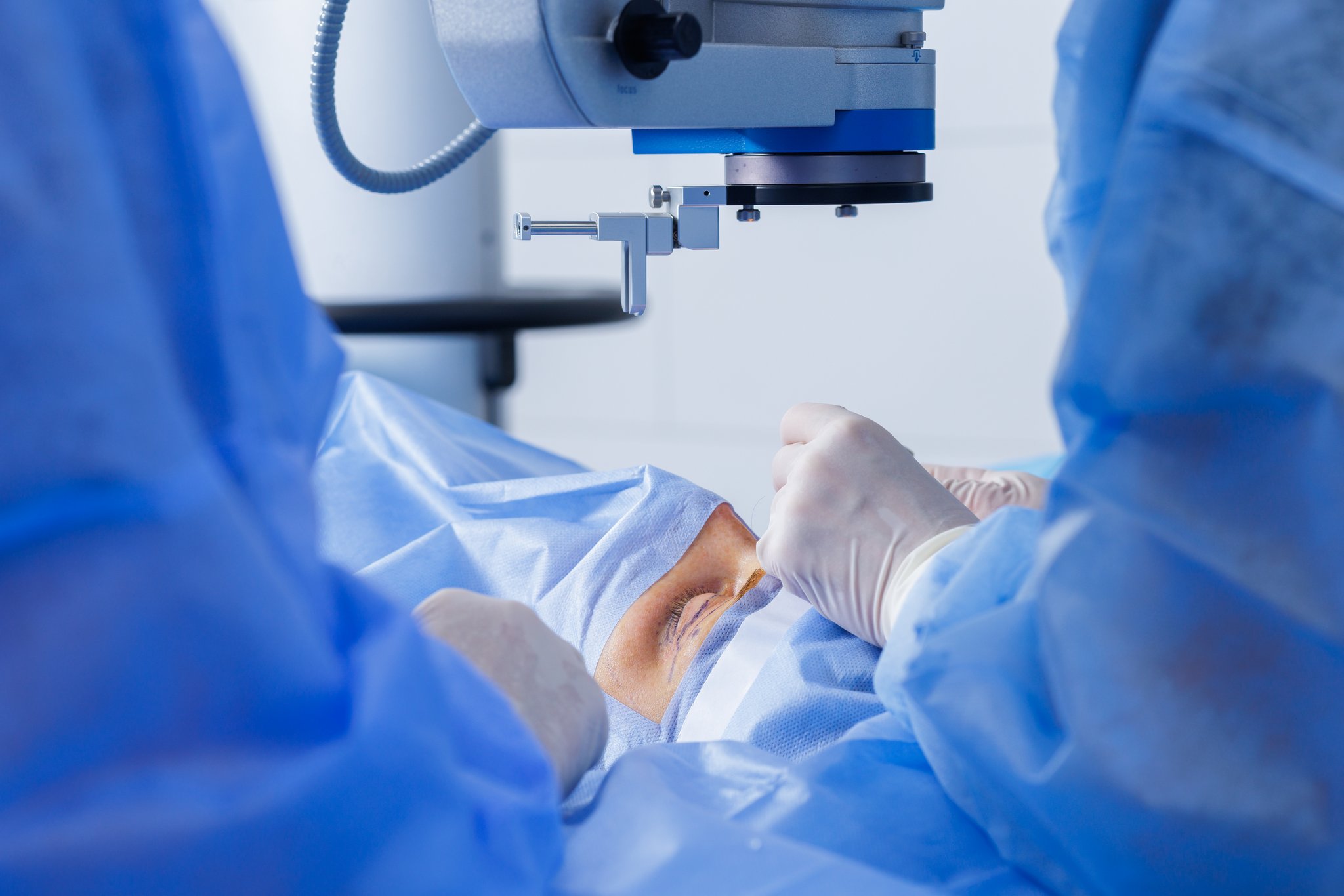
In addition, an exam may include drops to dilate your pupils. These can cause temporary blurred vision and increased sensitivity to light; for this reason, Kingston Hospital recommends not driving yourself to certain appointments where dilating drops will be used.
The procedure affects recovery time
- •Cataract surgery: What can affect driving: Initial blurred vision, a difference between the two eyes, the need to update your eyeglass prescription, glare, or double vision. What should be confirmed: That your vision is clear and functional, that applicable requirements are met, and that your ophthalmologist has approved your return to driving.
- •LASIK, PRK, or another refractive surgery: What can affect driving: Fluctuating vision, irritation, halos, glare, or difficulty driving at night. What should be confirmed: That your visual recovery allows you to drive and that your specialist confirms it is safe to resume normal activities.
- •Vitrectomy or retinal surgery: What can affect driving: Reduced vision, changes in depth perception, or the presence of a gas bubble. What should be confirmed: If there is gas inside the eye, do not drive until you have received specific instructions and confirmed that your vision allows you to do so.
- •Follow-up visits with dilation: What can affect driving: Blurred vision and sensitivity to light for several hours. What should be confirmed: Arrange alternative transportation if drops will be used or if your doctor recommends it.
For retinal surgery, the restriction can be especially important. Information from Guy’s and St Thomas’ NHS Foundation Trust indicates that a gas bubble can remain for several weeks and that you should not drive during that time. The duration depends on the type of gas and how the eye is healing; do not replace this guidance with a personal estimate.
What about driving at night?
Driving at night requires you to recognize signs, pedestrians, cyclists, and vehicles in lower light. It also requires you to tolerate the contrast between dark areas and bright lights. Some surgeries can temporarily cause halos, reflections, or glare, even when daytime vision seems acceptable.
The FDA warns that after LASIK, halos, glare, and difficulty driving at night may persist while vision stabilizes. This does not mean everyone will have these symptoms or that they will necessarily be permanent, but they should be discussed during follow-up.
If you have already been cleared to drive during the day, but lights appear surrounded by intense halos, images look doubled, or glare makes you squint, it is best to avoid driving at night until you have been evaluated. It is not advisable to “test it out” on a fast-moving road or a long drive. You may be able to return gradually, in familiar conditions, and only after medical approval.
How to arrange transportation to follow-up visits and everyday activities
Before surgery, arrange for someone to take you home and, if needed, accompany you to your first follow-up visits. The The National Eye Institute recommends having someone accompany you to cataract surgery because you will not be able to drive when the procedure is over.
Also keep in mind that a follow-up appointment may include dilation, vision measurements, or changes to your eyeglass prescription. Bring your usual glasses if your care team asks you to, but do not drive if your vision is uncomfortable or if the exam has temporarily blurred your vision.
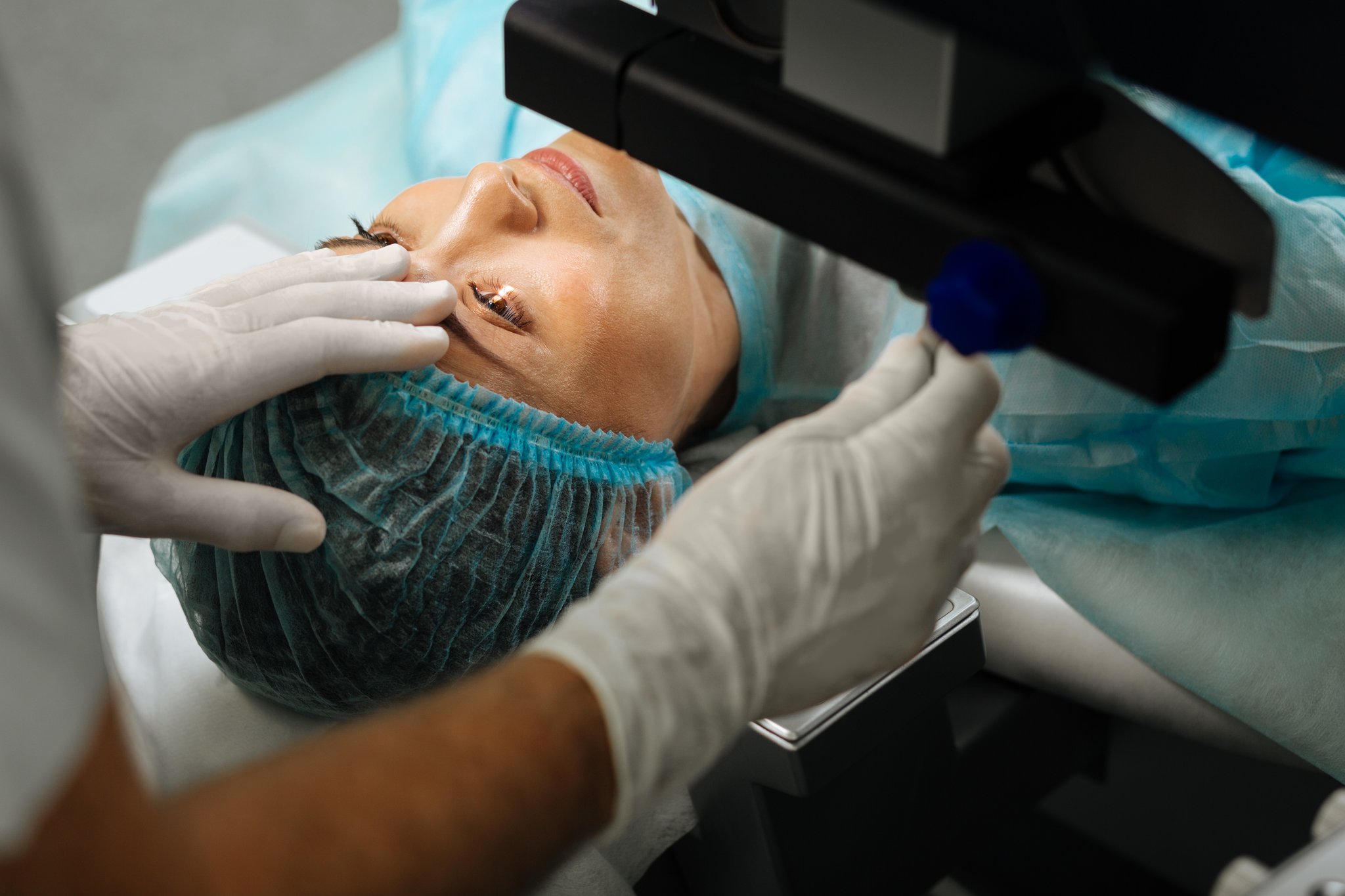
If your vision changes unexpectedly, do not try to resolve it by driving. Ask someone to take you and contact the care team that performed the surgery.
Signs that mean you should not drive and should seek an assessment
Do not drive and seek medical advice if you experience vision loss, severe or persistent pain, a significant increase in redness, new double vision, flashes, many floaters, a shadow or “curtain” in your field of vision, heavy discharge, or worsening symptoms after an initial improvement. The National Eye Institute identifies vision loss, severe pain, a very red eye, flashes, and new floaters as reasons to contact your ophthalmologist immediately after cataract surgery.
These symptoms should not wait for a routine appointment or be used as a test to decide whether you can still drive. A timely assessment can help identify complications that need attention.
Frequently Asked Questions
Can I drive the day after eye surgery?
You should not assume that you can. Some people regain functional vision quickly, while others need more time. The procedure, vision in each eye, symptoms, and medical clearance determine when it is safe. After surgery, you need another way to get around until you receive clear instructions.
Can I drive if I can see well but still have halos?
Halos can make driving especially difficult at night. If they are severe, new, or interfere with recognizing lights, signs, or objects, avoid driving and discuss them with your ophthalmologist. Vision that seems adequate indoors does not necessarily mean it is safe to drive at night.
What should I do if I have a follow-up appointment and cannot drive?
Arrange for a family member, someone you trust, or a transportation service to accompany you. If your pupils may be dilated, ask before your appointment how long your vision might be blurry and whether you will need a ride home. Do not drive if your vision is affected by the exam or by medication.
What to bring to your appointment
When you can drive again after surgery depends on your visual function, the procedure performed, and your ophthalmologist’s clearance. There is no universal timeframe, and the absence of pain should not be your only guide. Your vision should be clear, stable, and adequate for driving, without double vision or disabling glare. Driving at night may require an additional assessment.
If you are planning surgery or have questions about returning to everyday activities, request an ophthalmology assessment to review your case, mobility needs, and specific recovery instructions. You can explore the option of an ophthalmology assessment.
References
- •
- •
- •
- •
- •
- •
This content is for informational purposes only and does not replace a medical consultation or constitute a diagnosis.
This information is for guidance only and does not replace a medical consultation, diagnosis, or treatment. Each case is assessed in person.


