Do you hold your phone farther away to read? What should you check?
Dr. Guillermo Enríquez TostadoNovember 9, 20268 min read

In this article
Summary: Moving your phone, a book, or a menu farther away to see it more clearly may be a symptom of presbyopia, a change related to the natural aging of the eye. However, difficulty seeing up close is not always explained by “presbyopia” alone. It is helpful to note when it started, whether it affects one or both eyes, and whether it comes with pain, flashes, new spots, distortion, or sudden vision loss.
What does it mean to have difficulty seeing up close?
Presbyopia is a refractive error that makes it difficult to focus on nearby objects. It usually appears after 40 or 45 years of age and is related to changes in the natural lens of the eye, which loses flexibility with age. The National Eye Institute (NEI) describes common symptoms as blurry near vision, needing to hold reading materials farther away, eye fatigue, and headaches.
At first, some people notice the problem only in dim light, when reading small print, or after reading for a while. They may also enlarge the text on their phone or hold it farther away to focus. These changes may be consistent with presbyopia, but they cannot confirm a diagnosis on their own.
Presbyopia can coexist with nearsightedness, farsightedness, or astigmatism. For this reason, using someone else’s reading glasses or choosing them based only on comfort may not correct all aspects of your vision. The NEI notes that reading glasses can help, but recommends regular eye exams to check that your vision is as clear as possible.
Presbyopia symptoms worth discussing at an appointment
When preparing for an appointment, it may be helpful to note when the change began and which activities make it most noticeable. Some relevant questions include:
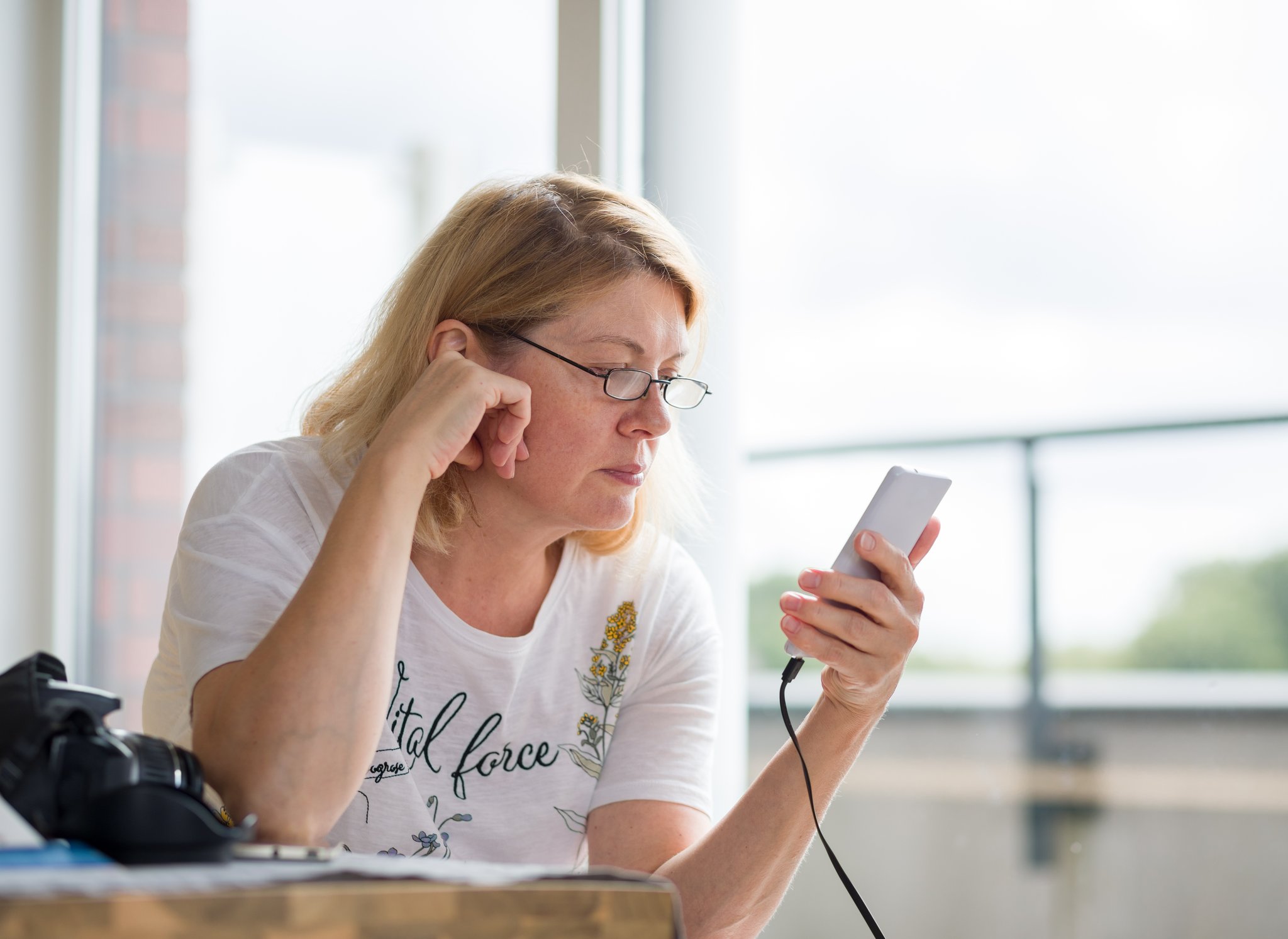
- •Do you move your phone, book, or receipts farther away so you can read them?
- •Does your near vision become blurry after a few minutes?
- •Do you need more light than before to read?
- •Do you experience eye fatigue, burning, or a feeling of tension in your eyes?
- •Do you get a headache when reading or working at close range?
- •Does the problem affect both eyes, or does it seem limited to one?
- •Do you also have difficulty seeing far away, driving, or recognizing faces?
- •Did the change happen gradually or suddenly?
The difference between gradual progression and a sudden change is especially important. Presbyopia usually develops gradually, so sudden vision loss, new distortion, or a marked change in just one eye should not automatically be attributed to presbyopia.
What other causes should be ruled out?
Difficulty reading may be due to a change in your eyeglass prescription, but an ophthalmology assessment can help check for other possibilities. As people age, the risk of conditions such as cataracts, glaucoma, age-related macular degeneration, diabetic retinopathy, and dry eye increases. The NEI explains that some age-related eye diseases may not produce clear early signs and may be detected during a comprehensive eye exam.
Some conditions a professional may consider include:
- •Change in eyeglass prescription: may affect near vision, distance vision, or both.
- •Dry eye: may cause fluctuating vision, burning, a gritty sensation, or fatigue, especially when using screens.
- •Cataract: may cause blurry vision, glare, or changes in color perception.
- •Retinal or macular problems: may cause distortion, spots, or changes in central vision.
- •Glaucoma or other eye diseases: may progress with few symptoms at first, so a preventive exam may be important, especially if risk factors are present.
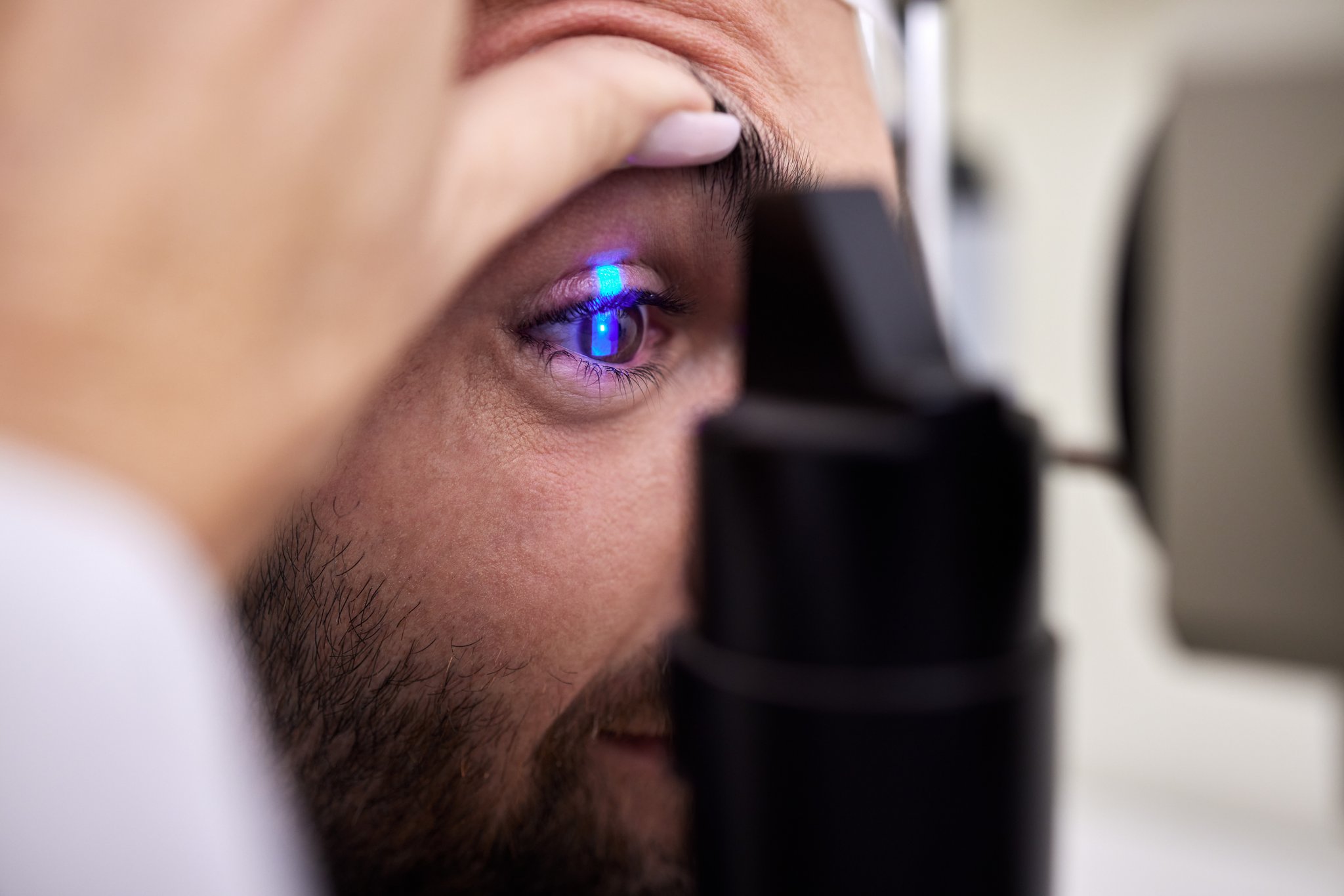
The assessment may include measuring your eyeglass prescription, examining the front of the eye, and, depending on the case, an exam with dilated pupils. The goal is not just to determine whether you need reading glasses, but to assess your overall eye health.
Options to improve near vision
The right option depends on each person’s prescription, daily activities, eye health, and preferences. In general, the following may be considered:
- •Better lighting and larger text — What it may offer: It can make reading easier in the early stages. · What to keep in mind: It does not correct an eye disease or replace an assessment if the change persists.
- •Reading glasses — What they may offer: They help with near focus when the prescription is appropriate. · What to keep in mind: They may not correct differences between the two eyes or other refractive errors.
- •Multifocal or progressive lenses — What they may offer: They can combine distance and near vision in a single correction. · What to keep in mind: Adaptation and results depend on each person’s prescription and needs.
- •Contact lenses or other alternatives — What they may offer: They may be considered in selected cases. · What to keep in mind: They require an assessment, fitting, and an explanation of their benefits and limitations.
The NEI reports that single-vision lenses correct vision at a specific distance, while multifocal lenses may help with both near and distance vision. The choice should not be based solely on age or a generic prescription.
Signs that require prompt attention
Some symptoms do not fit the usual pattern of gradual presbyopia and require prompt medical assessment. Seek urgent care if any of the following occur:
- •Sudden or significant vision loss in one or both eyes.
- •Severe eye pain or a red, painful eye.
- •New flashes of light, a sudden increase in spots, or “floaters.”
- •A shadow, curtain, or dark area crossing your field of vision.
- •New-onset double vision.
- •New distortion of straight lines or a spot in your central vision.
- •Significant pain or discomfort when exposed to light, especially if accompanied by vision changes.
The NHS recommends seeking urgent care for vision changes such as blurred or double vision, flashes, a dark shadow, eye pain, or a red, painful eye. If you suddenly cannot see or have severe eye pain, you should go to an emergency department. Care availability and pathways may vary in Mexico, but these signs should not wait for a routine appointment.
Frequently asked questions about presbyopia symptoms
Does holding my phone farther away confirm that I have presbyopia?
No. This is a common symptom, but it can also occur with other refractive errors or eye diseases. Confirmation requires an examination of your vision and eye health.
Does presbyopia occur only in older people?
It is related to aging and usually becomes noticeable after age 40 or 45, although the age when it begins and how noticeable it is can vary. The assessment should take each person’s visual needs into account.
Can I buy reading glasses without an exam?
Some people use them, but they do not always provide the right correction. Also, glasses may improve focus without detecting other causes of blurry vision. If the change is new, is getting worse, affects only one eye, or comes with warning signs, an ophthalmologic assessment is advisable.
Conclusion
Holding your phone farther away to read can be one of the symptoms of presbyopia, especially when the change develops gradually and is accompanied by eye strain or a headache when doing close-up work. Even so, difficulty focusing up close should be checked if it is new, is getting worse, or occurs along with changes in distance vision, pain, flashes, spots, distortion, or vision loss.
An individual assessment can help distinguish a change in your prescription from other problems that may require different care. You can request information about an ophthalmologic assessment through WhatsApp, without delaying urgent care if warning signs are present.
References
- •
- •
- •
- •
- •
This content is for informational purposes and does not replace a medical consultation or constitute a diagnosis.
This information is for guidance only and does not replace a medical consultation, diagnosis, or treatment. Each case is assessed in person.


