Age and refractive surgery: Why age alone isn’t enough
Dr. Guillermo Enríquez TostadoNovember 27, 20269 min read

In this article
Being 18 years old is not enough on its own to qualify for refractive surgery. The stability of your prescription, the cornea, the ocular surface, and your expectations are also reviewed. The FDA has no lasers approved for LASIK in people under 18 years of age in the United States; that criterion alone does not establish that a device is authorized in Mexico. In older adults, presbyopia and cataracts may affect the available options.
Is there a minimum age for refractive surgery?
Chronological age does matter, but it is a starting point, not automatic approval. The FDA states that there are currently no lasers approved for LASIK in people under 18 years of age. Some devices and procedures may have specific age requirements in their instructions for use, so the indication should be reviewed in light of the technique and equipment being considered. This is a U.S. reference. For care in Mexico, confirm with your medical team the device's health registration and indications for use.
In practice, turning 18 years old does not mean the prescription is stable. The preoperative evaluation described by the American Academy of Ophthalmology through EyeWiki notes that refraction should remain stable for a sufficient period and that surgery is often postponed until after age 21 because of possible vision changes. This reference should not be treated as a universal rule: the final determination depends on the procedure, prescription history, and labeling for the laser used.
So, the useful question is not only “At what age can I have surgery?” but “Are my vision and eyes in a condition to achieve a reasonably predictable result?”
Visual maturity: more than just reaching a certain age
Visual maturity means that your prescription—for nearsightedness, farsightedness, or astigmatism—has not changed significantly during the period your ophthalmologist considers necessary. The FDA identifies having needed a change in your eyeglass prescription or contact lenses prescription during the past year as a sign of instability.
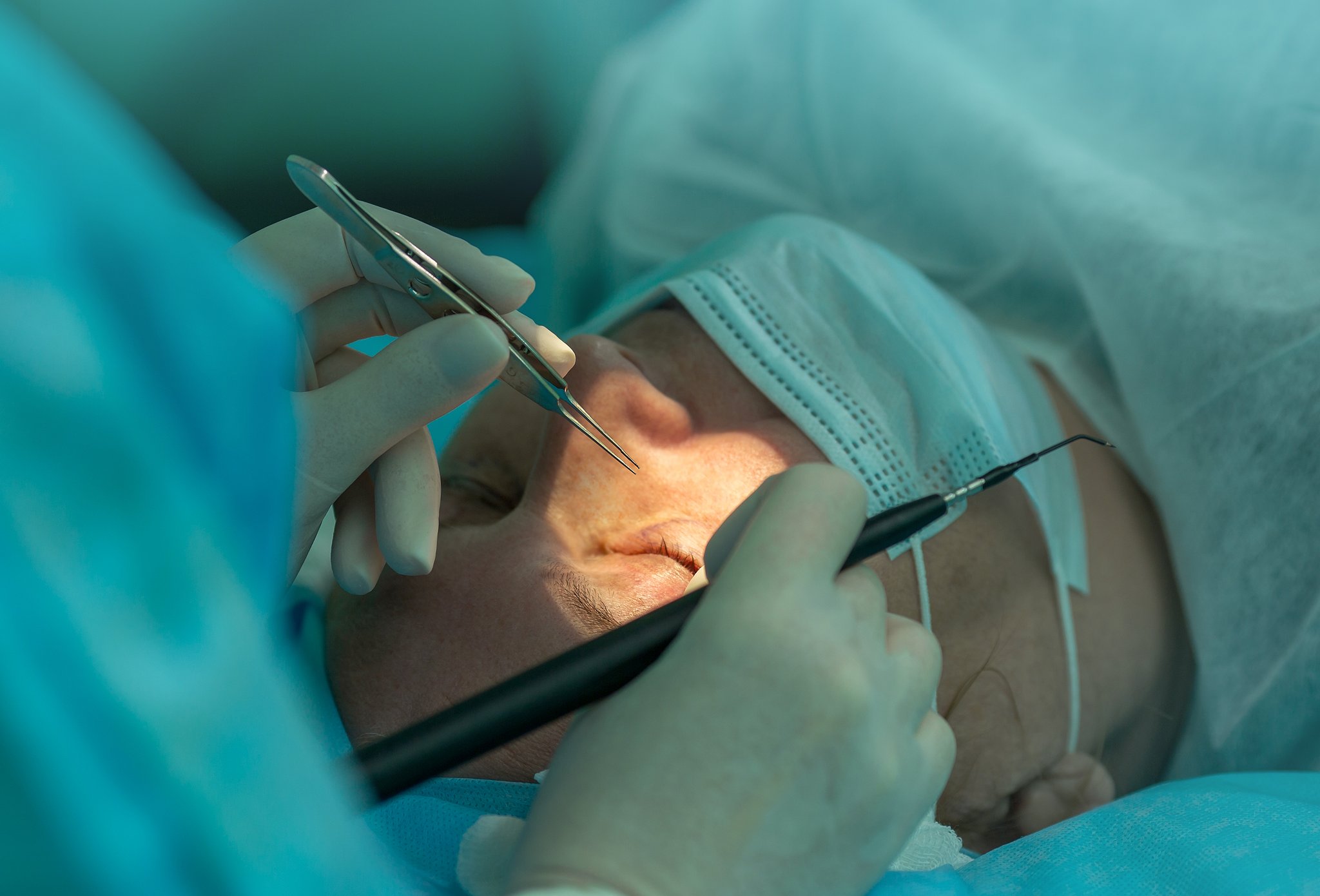
This may be especially important for younger people, whose prescription may still be changing. Changes can also occur with pregnancy or breastfeeding, certain illnesses, hormonal changes, medications, or metabolic disorders. In these cases, performing surgery based on a prescription that has not yet stabilized can make planning more difficult and increase the possibility that a refractive error will remain or return.
Assessing stability involves more than remembering which prescription you have used recently. It is helpful to review previous prescriptions, exam results, and how your vision has changed over time. If you wear contact lenses, they can temporarily alter the shape of the cornea and affect measurements. Your evaluation should specify how long you should stop wearing them before repeating tests; the interval varies depending on the type of lens.
What else is evaluated besides age?
A refractive surgery assessment should be comprehensive. The preoperative evaluation from EyeWiki, based on recommendations from ophthalmology specialists, includes measuring distance and near vision, assessing refraction, analyzing the shape and thickness of the cornea, and examining the tear film and ocular surface.
The exam is intended to identify conditions that may affect risk or make the outcome less predictable, including:
- •Keratoconus or other abnormalities in the shape and strength of the cornea.
- •Dry eye or ocular surface disease.
- •Active eye infections or inflammation.
- •Glaucoma, suspected glaucoma, or ocular hypertension.
- •Cataracts or other diseases of the natural lens.
- •Thin corneas or corneal scars.
- •Systemic diseases or medications that may affect healing.
The National Eye Institute also notes that keratoconus, eye infections, dry eye, glaucoma, cataracts, and large pupils may increase the risk of complications with LASIK. The presence of any of these factors should not automatically be interpreted as a definitive decision for or against every technique, but it does require an individual assessment and a clear discussion of alternatives and limitations.
Age also changes expectations: presbyopia and cataracts
A person may have a stable prescription and healthy eyes but still need to consider how their near vision will change over time. Presbyopia is the age-related decrease in the ability to focus on nearby objects. The National Eye Institute explains that LASIK does not correct presbyopia; therefore, many people will still need reading glasses or glasses for near activities at some point.
This matters for anyone hoping to stop wearing glasses altogether. Surgery may improve distance vision without preventing the later need for near-vision correction. Some strategies, such as monovision, may be considered for selected patients, but they involve visual trade-offs and are not appropriate for everyone. Their suitability should be tested and discussed before making a decision.
At older ages, it is also important to check for cataracts, changes in the natural lens, glaucoma, retinal changes, or ocular surface disease. In some cases, corneal surgery may not be the most logical alternative, and intraocular procedures or other options may need to be discussed. Age alone does not set an upper limit, but it does change the clinical questions and reasonable alternatives.
- •Chronological age: What it can contribute to the decision: It helps identify stages when the eyeglass prescription may change or presbyopia may develop. What it cannot determine on its own: It does not confirm that someone is a candidate or rule out a specific technique.
- •Prescription stability: What it can contribute to the decision: It helps plan a correction with greater consistency. What it cannot determine on its own: It does not compensate for an irregular cornea, dry eye, or another eye condition.
- •Corneal health and ocular surface: What it can contribute to the decision: It helps estimate risks and choose among alternatives. What it cannot determine on its own: It does not guarantee perfect results or eliminate the possibility of side effects.
- •Presbyopia and natural lens status: What it can contribute to the decision: It provides guidance about near vision and possible options other than LASIK. What it cannot determine on its own: It does not mean that every older person should undergo intraocular surgery.
- •Expectations and visual needs: What it can contribute to the decision: It helps assess whether the expected benefits justify the risks. What it cannot determine on its own: It does not make surgery safe when clinical contraindications are present.
When does it make sense to seek a second opinion?
A second opinion may be useful when the recommendation does not clearly explain why a technique is appropriate, when test results differ, if the prescription has changed recently, or when surgery is proposed despite symptoms such as dryness, halos, or poor night vision.
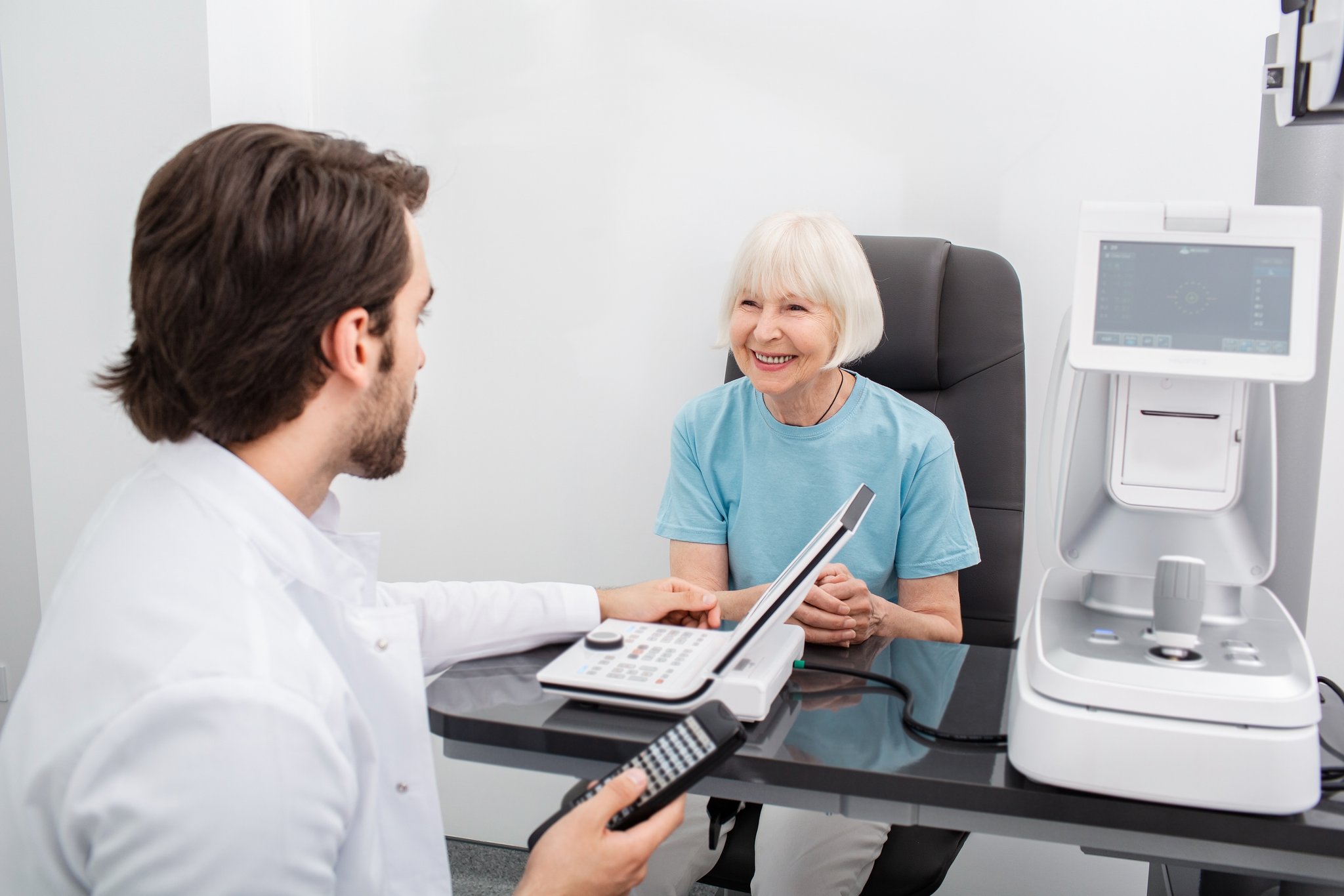
It is also reasonable to seek one when the main expectation is never to need glasses again under any circumstances. The FDA checklist recommends learning about the possibility of needing reading glasses, having dry eye, experiencing halos or glare, having undercorrection or overcorrection, and, in rare cases, losing vision.
A second opinion is not simply about comparing prices or promises. It is a good idea to ask what tests were performed, what alternatives were ruled out, which risks are relevant in that case, and what might happen if vision changes over time. The decision should be informed and free of pressure.
Frequently asked questions about the age for refractive surgery
Does turning 18 years old mean I can have surgery now?
Not necessarily. It is a regulatory minimum age for certain LASIK systems, but prescription stability, eye health, corneal characteristics, and expectations must still be assessed. The recommendation may be postponed if vision is still changing.
Is there a maximum age for LASIK?
There is no universal maximum age if the eye is healthy, but presbyopia, dry eye, cataracts, and other conditions become more relevant over time. For some people, another option may be more appropriate than reshaping the cornea.
Does refractive surgery mean I will never need glasses again?
That cannot be guaranteed. LASIK may reduce dependence on glasses for certain activities, but it does not correct presbyopia, and some people may need glasses after surgery. Prescription changes or visual symptoms that require follow-up may also occur.
What to bring to your consultation
The age for refractive surgery should be understood as part of an evaluation, not as a simple list of ages at which surgery is allowed. Turning 18, 21, or reaching any other age does not replace an assessment of visual stability, the cornea, the ocular surface, the natural lens, general health conditions, and personal expectations.
An individual ophthalmologic assessment can help determine whether it is best to wait, consider LASIK or another technique, continue correcting vision with glasses, or seek a second opinion. If you would like to learn about the assessment process, you can consult the contact information available on the website of Dr. Guillermo Enríquez's office, without this content implying that someone is a candidate for surgery.
References
- •
- •
- •
- •
- •
This content is for informational purposes and does not replace a medical consultation or constitute a diagnosis.
This information is for guidance only and does not replace a medical consultation, diagnosis, or treatment. Each case is assessed in person.


