How long do the results of laser eye surgery last?
Dr. Guillermo Enríquez TostadoNovember 23, 20268 min read

In this article
Laser eye surgery can reduce dependence on glasses or contact lenses by reshaping the cornea to correct nearsightedness, farsightedness, or astigmatism. However, it is not possible to guarantee that the result will remain exactly the same throughout a person’s life. It is important to distinguish between the correction made by surgery, later changes in refractive error, and the natural aging of the eye, especially presbyopia.
Does laser eye surgery last forever?
In procedures such as LASIK, the laser permanently reshapes part of the cornea. This means the cornea does not normally “undo” the surgery as though its effect were temporary. Even so, the fact that the corneal change is permanent does not mean that vision will remain exactly the same throughout a person’s life.
Your visual outcome depends on several factors: your prescription before surgery, how stable that prescription is, the characteristics of your cornea, your eye health, your age, and the natural changes in your ability to focus. The National Eye Institute explains that refractive surgery changes the shape of the cornea, but also notes that some people may still need glasses or contact lenses after LASIK.
That is why the question “How long does the effect last?” has no single answer in years. For some people, reduced dependence on glasses lasts a long time; for others, a new prescription may develop or glasses may become necessary for certain activities.
Three concepts for understanding the results
- •Correction achieved: What it means: The change the procedure makes to the cornea to help focus light more clearly. What may happen: It may help you see at a distance with less dependence on glasses, although it does not guarantee perfect vision.
- •Subsequent change in eyeglass prescription: What it means: A new change in myopia, hyperopia, or astigmatism after surgery. What may happen: It may cause blurred vision and make glasses or an additional assessment necessary.
- •Eye aging: What it means: Natural changes in the eye’s focusing system over time. What may happen: Presbyopia may develop, increasing the need for glasses to read or see up close.
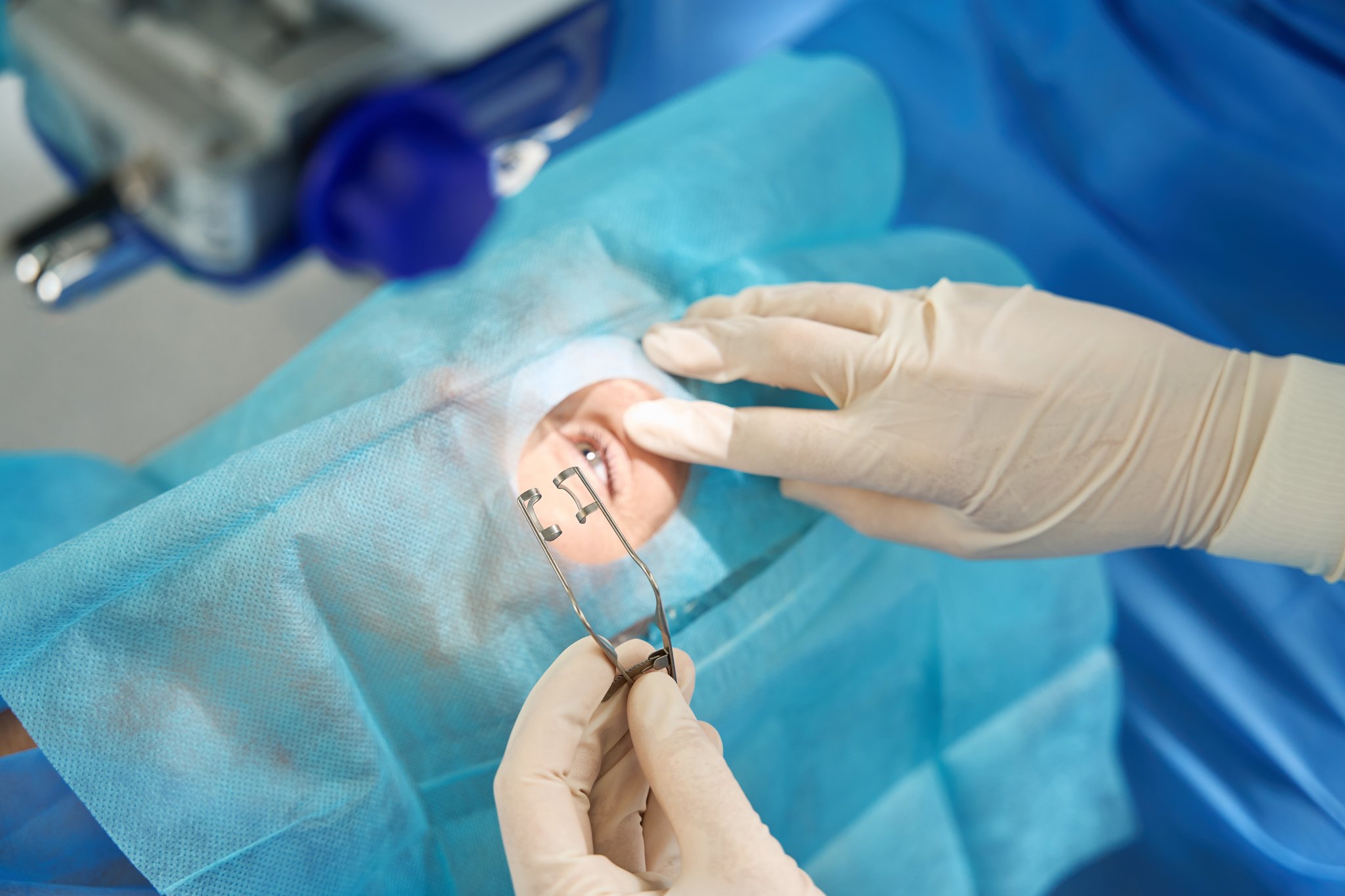
These phenomena should not be confused. If someone needs glasses for reading years after surgery to correct distance vision, this does not necessarily mean that the surgery “wore off.” It may be presbyopia, a change related to aging of the natural lens.
Why might glasses be needed afterward?
Presbyopia: difficulty seeing up close
LASIK corrects refractive errors, but it does not stop the natural lens from aging. Presbyopia is the progressive difficulty of focusing on nearby objects and usually develops after age 40 or 45. According to the National Eye Institute, everyone develops presbyopia with age and many people need glasses or contact lenses for reading.
For this reason, someone who was nearsighted and wore glasses for distance before surgery may stop wearing them for many activities and, years later, need reading glasses. This can happen even if distance vision correction has been maintained adequately.
New refractive error or regression
In some cases, refractive error can change after surgery. Ophthalmology literature describes refractive regression as a partial decrease in the corrective effect over time. Its mechanisms may be related to changes in the cornea and the progression of nearsightedness, among other factors. A review available on EyeWiki of the American Academy of Ophthalmology identifies regression as a recognized complication or phenomenon after LASIK.
The extent of these changes is not the same for everyone. A study with follow-up of 12 years in eyes with moderate to high myopia found refractive changes after surgery, although its results apply to a specific group and cannot automatically be applied to all patients. The information is available on PubMed: “Twelve-Year Follow-Up of Laser In Situ Keratomileusis for Moderate to High Myopia”.
Incomplete correction or overcorrection
Sometimes surgery may leave residual refractive error or result in more or less correction than planned. The FDA notes that some people may still need glasses or contact lenses after LASIK and that not everyone achieves vision of 20/20 without correction.
Needing glasses after the procedure does not, by itself, mean that there is a complication. The prescription may be small and needed for specific activities, such as driving at night, working at a screen, or reading. However, any change in vision should be assessed to identify its cause.
When does vision stabilize after surgery?
The long-term duration of the result should not be confused with the initial recovery time. After laser surgery, vision may fluctuate while the eye heals. The FDA material on the period after LASIK indicates that vision may take three to six months to stabilize, although the time may vary depending on the procedure and individual characteristics.
Dryness, halos, glare, or difficulty driving at night may also occur during the first few months. These symptoms may improve, persist, or require evaluation, depending on the case. The FDA recommends contacting the doctor immediately if new, unusual, or worsening symptoms occur after surgery.
For this reason, it is not appropriate to judge the final result during the first few days or assume that another surgery will be needed just because vision changes at first. The assessment should take into account repeated measurements, refractive stability, and corneal health.
What can you realistically expect?
The goal of laser eye surgery is to reduce dependence on glasses, not to promise that you will never need them again. Some people can do most activities without glasses for years. Others may need them for reading, driving at night, precision work, or correcting a residual prescription.
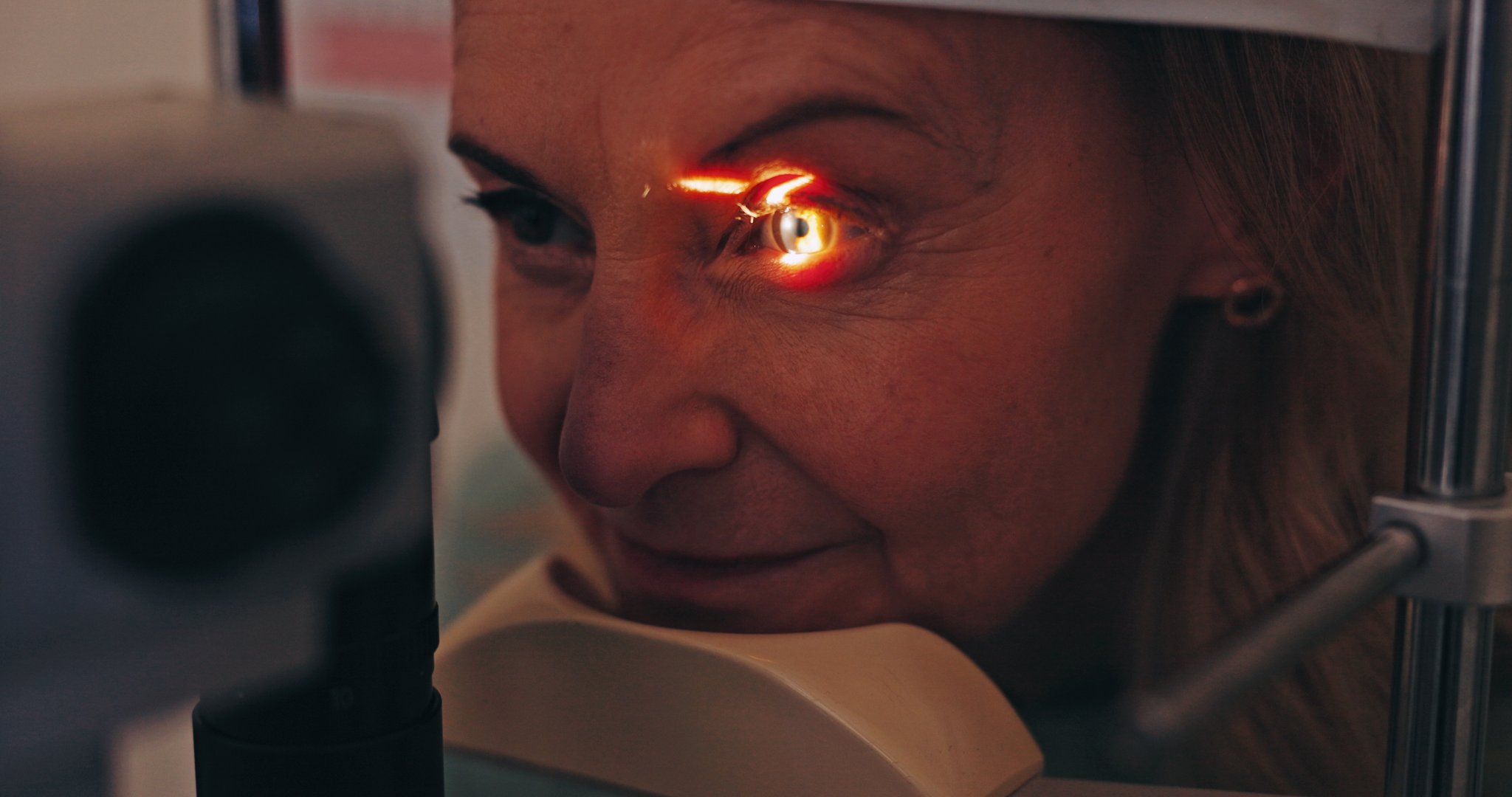
There are also different alternatives and choices depending on your age and vision problem: continuing to wear glasses, using contact lenses, considering another refractive surgery technique, or exploring options for presbyopia. Each option has benefits, limitations, and risks. The National Eye Institute includes PRK, LASEK, Epi-LASIK, and phakic implants among other refractive options, but the choice depends on a comprehensive eye exam.
Not everyone is a candidate. An unstable prescription, dry eye, keratoconus, cataracts, glaucoma, or other conditions may increase the risks or make laser surgery less suitable. The assessment should include an examination of the cornea, tear film, prescription, and overall eye health.
Frequently asked questions
If I start wearing glasses again, does that mean the surgery failed?
Not necessarily. You may need glasses because of presbyopia, a residual prescription, a later refractive change, or for a particular activity. An exam is needed to determine the cause.
Does laser surgery prevent the need for reading glasses?
No. LASIK for distance vision does not correct presbyopia. As you age, it is common to need glasses for reading or focusing on nearby objects, even if your distance vision remains good.
Can the surgery be repeated if my prescription changes?
In some cases, an additional correction may be considered, but it is not automatic and is not always possible. Beforehand, the stability of your prescription, the condition of your cornea, and the balance between potential benefits and risks must be confirmed. The decision is made after an individual ophthalmologic assessment.
What to bring to your appointment
Laser eye surgery may lead to a lasting reduction in dependence on glasses, but it does not guarantee identical vision for your entire life. The change to the cornea may be permanent, while your prescription and near focus can change over time. Presbyopia, a new prescription, a residual correction, or certain visual symptoms may explain why some people need glasses again.
If you are considering refractive surgery or notice changes in your vision afterward, an ophthalmologic assessment can help distinguish between an expected change, a new prescription, and a problem that needs attention. You can request information about an assessment via WhatsApp.
References
- •National Eye Institute. Refractive Error Surgery. Update consulted: 5 November 2025.
- •
- •
- •
- •
- •
This content is for informational purposes only and does not replace a medical consultation or constitute a diagnosis.
This information is for guidance only and does not replace a medical consultation, diagnosis, or treatment. Each case is assessed in person.


