Vision Changes to Have Checked for Possible Cataracts
Dr. Guillermo Enríquez TostadoNovember 10, 20269 min read

In this article
Summary: Cataract symptoms often appear gradually and may include blurry vision, glare, difficulty seeing at night, less vivid colors, or frequent changes in your eyeglass prescription. However, these symptoms may also be due to other eye or general health problems. A sudden change in vision should not automatically be attributed to a cataract and requires timely medical guidance.
What vision changes may be related to a cataract?
A cataract is clouding of the natural lens, the clear structure inside the eye that helps focus light. In its early stages, it may not cause any symptoms. As it progresses, vision may become blurry, cloudy, or less clear. These changes usually develop gradually, although progression can vary depending on the type and cause of the cataract.
Among the cataract symptoms that are worth discussing during an eye exam include:
- •Blurred or foggy vision.
- •Difficulty reading, using a computer, watching television, or performing tasks that require precision.
- •Trouble seeing in low light or at night.
- •Glare from lamps, the sun, or other vehicles’ headlights.
- •Rings or halos around lights.
- •Colors that look less vibrant, dull, or yellowish.
- •Double vision in one eye, which in some cases may be related to changes in the natural lens.
- •Needing to frequently change your eyeglass or contact lens prescription.
The National Eye Institute notes that these changes can also occur with other eye problems. Therefore, noticing one or more of them does not allow you to confirm on your own that you have a cataract.
Everyday difficulties that may prompt a consultation
In daily life, someone may notice that they need more light to read, that letters look less distinct, or that they have to move closer to objects. They may also feel uncomfortable driving at night because of glare from headlights, even if they do not have significant vision loss during the day.
Some people notice the change by comparing vision between their eyes. For example, one eye may see colors as more muted or have greater blurriness. Cataracts can develop in one or both eyes, and symptoms are not always the same on each side.
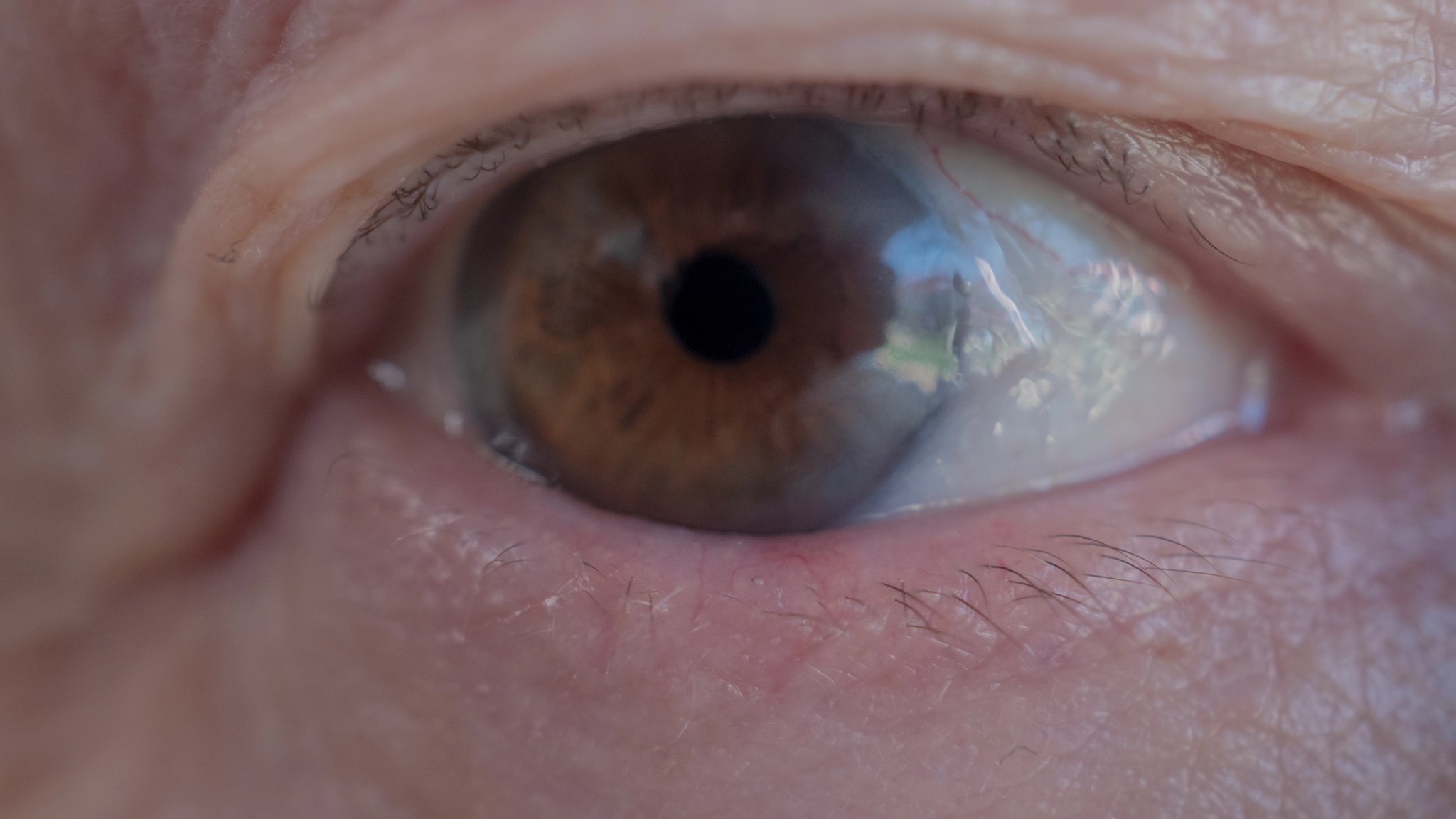
These difficulties do not by themselves mean that surgery is needed right away. In mild cases, an updated prescription, better lighting, or measures to reduce glare may help temporarily. The decision to consider surgery depends on the examination, the impact on daily activities, and an individual assessment of benefits and risks. According to the National Eye Institute, surgery is the only way to remove a cataract, but it is not always necessary to have it right away.
Not all vision changes are cataracts
Blurry vision, glare, or difficulty focusing can have several causes. Possibilities include a change in eyeglass prescription, dry eye, corneal problems, glaucoma, retinal diseases, diabetic retinopathy, or age-related macular degeneration. The use of some medications, a history of injuries or eye surgeries, and conditions such as diabetes may also play a role.
Double vision deserves special attention because it can originate in the natural lens, but also in the cornea, eye muscles, the nerves that control eye movement, or neurological causes. If double vision has recently appeared, persists, or is accompanied by other symptoms, do not assume that it is caused by a cataract.
A complete evaluation can assess visual acuity, eyeglass prescription, and the internal structures of the eye. The National Eye Institute explains that a dilated eye exam helps detect cataracts and other eye diseases that may not cause clear signs at first.
- •Gradual blurriness and glare — Possible relationship: Cataract, change in eyeglass prescription, or another eye condition · Why an assessment is needed: Symptoms can be similar across different diseases.
- •Less vivid colors — Possible relationship: Cataract or another condition affecting the optic nerve or retina · Why an assessment is needed: An examination helps identify where the change is coming from.
- •Double vision — Possible relationship: Cataract, cornea, muscles, or neurological causes · Why an assessment is needed: Recent onset may require priority attention.
- •Sudden vision loss — Possible relationship: Retinal problems, circulation problems, glaucoma, or other emergencies · Why an assessment is needed: This is not a typical pattern for waiting for a routine appointment.
When does a sudden change require urgent attention?
Cataracts usually cause progressive changes. By contrast, a sudden decrease in vision, the sudden appearance of many floaters or flashes, a shadow or “curtain” in your field of vision, severe pain, a very red eye, or newly developed double vision may indicate an eye or medical emergency.
The American Academy of Ophthalmology through EyeWiki describes new flashes, persistent floaters, and a shadow or curtain in your vision as possible signs of a retinal tear or detachment. These symptoms warrant urgent eye care.
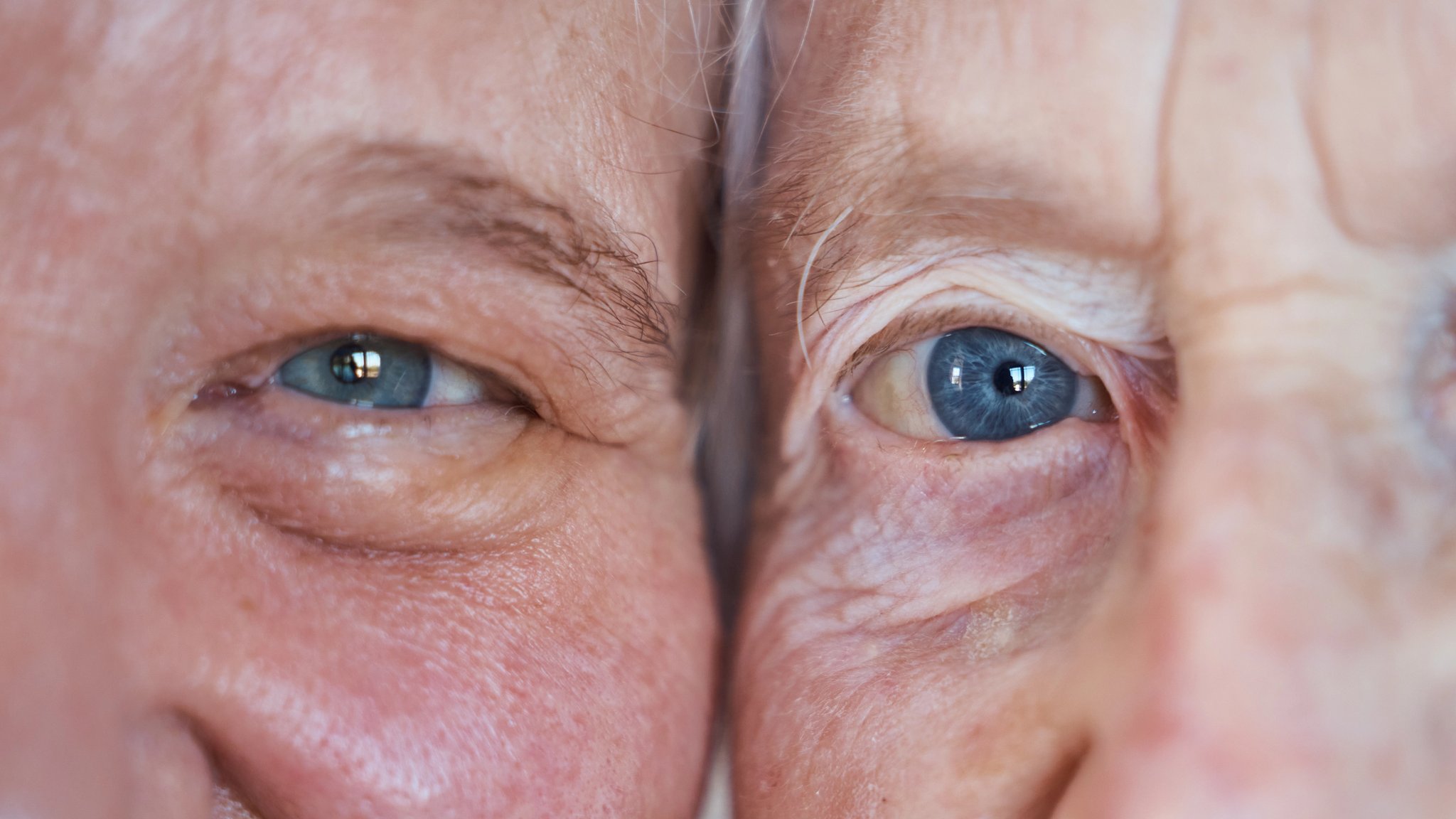
Sudden, painless vision loss in one eye may also be related to a retinal blood vessel problem. In addition, sudden vision changes accompanied by difficulty speaking, weakness in the face or an arm, loss of balance, or confusion may be signs of a stroke. The American Stroke Association recommends seeking emergency care for sudden changes such as blurred or double vision, or loss of vision.
If you experience any of these signs, do not wait for the symptom to go away, and do not drive yourself if your vision is impaired. The priority is to seek emergency services or immediate eye care, depending on the severity and local availability.
How is a cataract confirmed or ruled out?
A diagnosis is not made based on symptoms alone. During the assessment, the specialist may measure visual acuity, check your eyeglass prescription, examine the natural lens, and evaluate the retina and optic nerve. Dilating the pupils makes it possible to examine internal structures and look for other causes of vision changes.
It is also important to mention when the symptoms began, whether they affect one or both eyes, whether they have progressed, which activities have become difficult, and whether you have a history of diabetes, injuries, eye surgery, or prolonged steroid use. This information helps guide the evaluation, but does not replace an examination.
If a cataract is confirmed, the next step is not necessarily to choose an intraocular lens right away. First, it is important to assess how much it affects your vision, what other eye conditions are present, and what expectations are realistic. When surgery is considered, eye measurements help the specialist evaluate intraocular lens options based on the characteristics of each case. There is no universally ideal lens for everyone.
Frequently asked questions about cataract symptoms
Do cataracts always cause symptoms at first?
No. A mild cataract may not cause noticeable symptoms. Changes tend to become more apparent as the natural lens becomes cloudier, but the rate of progression is not the same for everyone.
If I see halos around lights, does that mean I have a cataract?
Not necessarily. Halos may occur because of cataracts, corneal problems, dry eye, an incorrect eyeglass prescription, or other conditions. This is a symptom worth having checked, not a way to self-diagnose.
Can a cataract explain sudden vision loss?
A cataract generally develops gradually. If your vision suddenly worsens, or you experience flashes, many floaters, a shadow, severe pain, or a very red eye, seek urgent care rather than assuming it is a cataract.
Conclusion
Blurred vision, glare, faded colors, and difficulty seeing at night can be among the symptoms of cataracts, but they can also have other causes. An eye exam can help distinguish between them, identify problems that need attention, and discuss available options when a cataract affects everyday activities.
If you have noticed progressive changes in your vision, you can request an assessment to find out what is causing them. If the change was sudden or is accompanied by pain, flashes, new floaters, a shadow in your field of vision, or neurological symptoms, seek urgent care. You can contact the office via WhatsApp.
References
- •
- •
- •
- •
- •
This content is for informational purposes and does not replace a medical consultation or constitute a diagnosis.
This information is for guidance only and does not replace a medical consultation, diagnosis, or treatment. Each case is assessed in person.


